
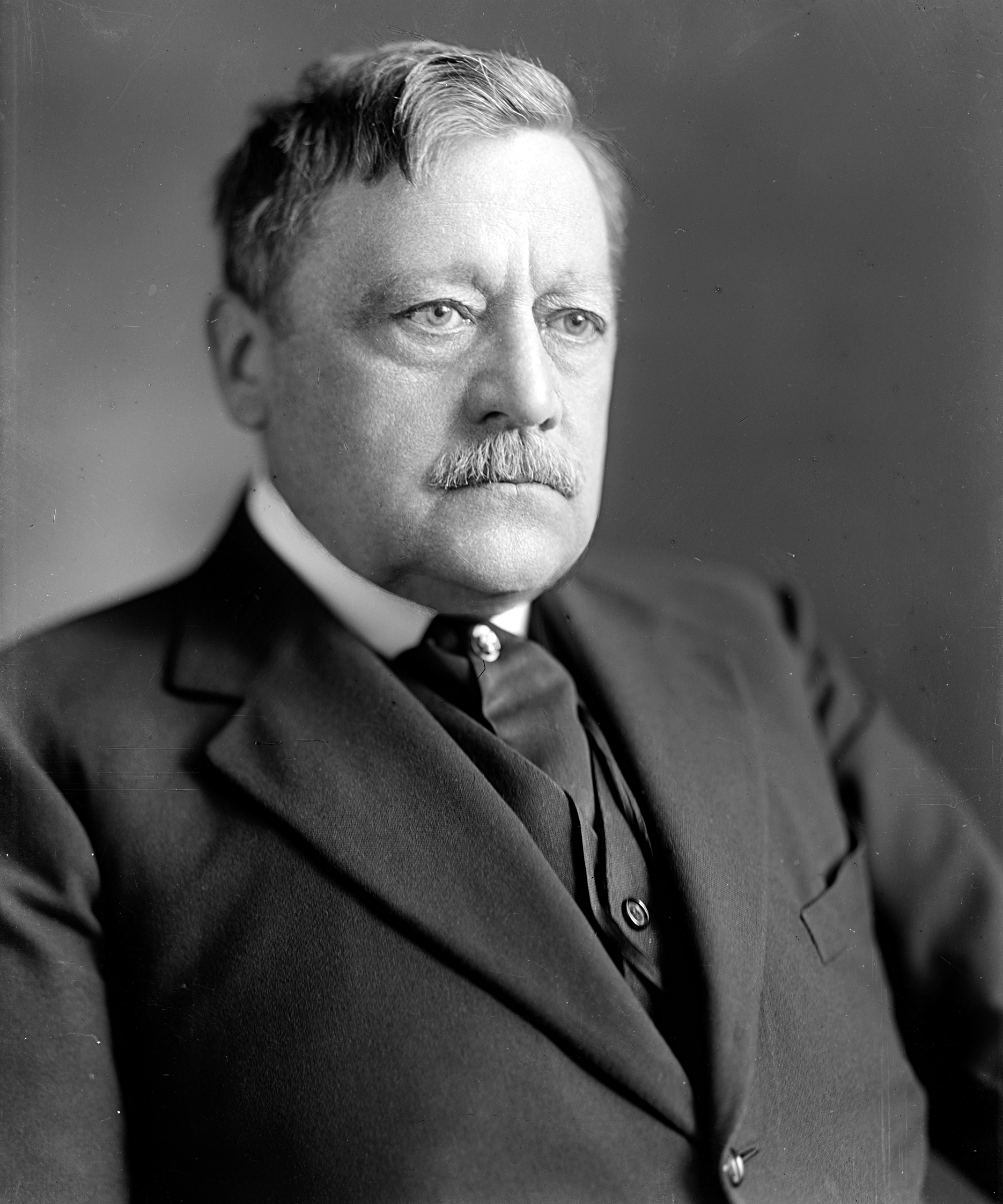
Historical · U.S. House · Pennsylvania · District 9
Henry Watson
Former U.S. Representative · Pennsylvania District 9 · 1915–1935 · Republican
Henry Watson represented Pennsylvania's District 9 in the United States House of Representatives (1915–1935) for the Republican party. The page below collects sourced biographical facts, term history, committee roles, and provenance for Watson.
Bioguide ID: W000201
Key facts
- Full name
- Henry Watson
- State
- Pennsylvania
- District
- District 9
- Party
- Republican
- House service
- 1915–1935
- First House term
- 1915
- Status
- Left office
- Current term ends
- —
- Born
- 1856
- Bioguide ID
- W000201
- Committee assignments
- —
- Dataset version
- 1.20260606
Biographical narrative
967 words · sourced from the Wikipedia REST extract
Henry Watson was a prominent Republican politician who served as a U.S. Representative for Pennsylvania's 8th congressional district. His tenure in the House of Representatives spanned nearly two decades, during which he was elected to ten consecutive terms from 1915 until his passing in 1933. Watson's career was marked by his involvement in both law and business, as well as his commitment to public service, which reflected the interests and needs of his constituents in Bucks and Montgomery counties.
Early life and career
Henry Winfield Watson was born on June 24, 1856, in Bucks County, Pennsylvania. Growing up in a region known for its rich history and agricultural roots, Watson received his early education in private schools, which laid the foundation for his future endeavors. His academic pursuits led him to study law, and he successfully gained admission to the bar in 1881, marking the beginning of his professional career in the legal field.
Following his admission to the bar, Watson began practicing law in Philadelphia, where he developed a reputation as a competent attorney. His legal career provided him with valuable experience and insights into the workings of government and public policy, which would later inform his legislative priorities as a member of Congress. In addition to his legal practice, Watson ventured into the business sector. In 1909, he acquired the Washington, Potomac & Chesapeake Railway Company and took on the role of president. This position not only showcased his business acumen but also highlighted his interest in transportation and infrastructure, which are critical components of economic development.
Watson's business interests extended beyond railroads; he also served as a director for several banks and the Langhorne Water Company. His involvement in these various enterprises positioned him as a significant figure in both the legal and business communities of Pennsylvania. This multifaceted career provided him with a broad perspective on the economic and social issues facing his constituents, which would later influence his legislative agenda.
House tenure
Watson's political career began in earnest when he was elected as a Republican to the Sixty-fourth Congress in 1914, succeeding Robert Edward Difenderfer. His election marked the beginning of a long and impactful tenure in the U.S. House of Representatives. Watson served from 1915 until his death in 1933, representing the 8th congressional district, which encompassed parts of Bucks and Montgomery counties. His ability to secure ten consecutive terms in office is indicative of his strong support among voters and his effectiveness as a legislator.
During his time in Congress, Watson participated in a wide range of legislative activities and debates, contributing to various issues that were pertinent to his constituents and the nation as a whole. His tenure coincided with significant events in American history, including World War I and the Great Depression, which presented both challenges and opportunities for legislative action. Watson's long service allowed him to witness and respond to the evolving political landscape, as well as the shifting needs of the American public.
Watson's commitment to his constituents was evident in his active participation in congressional proceedings. He engaged with various committees and was involved in discussions that shaped national policy. His ability to navigate the complexities of legislative processes and build coalitions with fellow lawmakers contributed to his effectiveness in office. Throughout his career, he maintained a focus on issues that were important to his district, ensuring that the voices of his constituents were heard in the halls of Congress.
Legislative focus and committees
Throughout his congressional career, Watson's legislative focus reflected the interests and concerns of his constituents in Pennsylvania. While specific details regarding the bills he sponsored or supported are not provided, it can be inferred that his background in law and business likely influenced his approach to various legislative matters. Given the economic challenges of the time, particularly during the Great Depression, it is reasonable to assume that Watson was involved in discussions related to economic recovery, infrastructure development, and support for local businesses.
Watson's experience as a businessman and attorney would have equipped him with a unique perspective on the importance of sound economic policies and the need for effective governance. His involvement in the railway industry, for instance, may have led him to advocate for transportation initiatives that would benefit both his district and the broader economy. Additionally, his role as a director in banking institutions suggests that he may have had a vested interest in financial regulations and policies that promoted economic stability.
As a member of the House of Representatives, Watson likely served on various committees that aligned with his interests and expertise. While specific committee assignments are not detailed, members of Congress typically engage with committees that focus on areas such as transportation, commerce, and finance. Watson's background would have made him a valuable contributor to discussions surrounding these topics, allowing him to leverage his knowledge and experience for the benefit of his constituents.
Watson's legislative contributions were not only shaped by his professional background but also by the broader political context of his time. His tenure encompassed significant national events, including the aftermath of World War I and the onset of the Great Depression. These events would have influenced the legislative priorities of Congress as a whole, and Watson's participation in these discussions would have been critical in addressing the needs of his district during challenging times.
Henry Watson's life came to an end on August 27, 1933, in Langhorne, Pennsylvania. His passing marked the conclusion of a notable career in public service, during which he dedicated himself to representing the interests of his constituents in the U.S. House of Representatives. He was interred at the Wilmington and Brandywine Cemetery in Wilmington, Delaware, leaving behind a legacy of commitment to public service and the communities he represented throughout his lengthy career in Congress.
Notable legislation
Sponsored and co-sponsored legislation for Henry Watson is pending operator curation. The biographical narrative above carries the same provenance trail until per-bill rows are written.
Sources
- [1]https://en.wikipedia.org/wiki/Henry_Winfield_WatsonWikipedia · retrieved 2026-06-06
Notable quotes
Sourced quotes for Henry Watson are pending operator curation. Narrative-scope provenance remains attached below.
Sources
- [1]https://en.wikipedia.org/wiki/Henry_Winfield_WatsonWikipedia · retrieved 2026-06-06
Key positions
Curated policy positions for Henry Watson are pending operator review. The biographical narrative above carries the same provenance trail until per-topic positions are written.
Sources
- [1]https://en.wikipedia.org/wiki/Henry_Winfield_WatsonWikipedia · retrieved 2026-06-06
Terms served
- 1915–1917U.S. House · Term 1 · Republican
- 1917–1919U.S. House · Term 2 · Republican
- 1919–1921U.S. House · Term 3 · Republican
- 1921–1923U.S. House · Term 4 · Republican
- 1923–1925U.S. House · Term 5 · Republican
- 1925–1927U.S. House · Term 6 · Republican
- 1927–1929U.S. House · Term 7 · Republican
- 1929–1931U.S. House · Term 8 · Republican
- 1931–1933U.S. House · Term 9 · Republican
- 1933–1935U.S. House · Term 10 · Republican
Sources & provenance
Every attributable claim above carries a per-section [N] marker that resolves to the corresponding URL below. Each entry records the upstream provider, the canonical URL, and the timestamp at which the source was retrieved by the ingest pipeline.
Key facts
- https://bioguide.congress.gov/search/bio/W000201bioguide · retrieved 2026-06-06
- https://www.govtrack.us/congress/members/411372govtrack · retrieved 2026-06-06
Biographical narrative
- https://en.wikipedia.org/wiki/Henry_Winfield_Watsonwikipedia · retrieved 2026-06-06
Find your representative
Every U.S. state elects representatives by district. Browse Pennsylvania’s delegation, the full former-representative roster, or explore the role and term length.
Related on The Candidate
- Preceded by Henry CasselEarlier holder of the Pennsylvania District 9 House seat · Republican.Open
- Succeeded by Paul DagueLater holder of the Pennsylvania District 9 House seat · Republican.Open
- Adam SeybertFormer U.S. Representative · Pennsylvania District 1 · RepublicanOpen
- Benjamin SayFormer U.S. Representative · Pennsylvania District 1 · RepublicanOpen
- Chapman FreemanFormer U.S. Representative · Pennsylvania District 1 · RepublicanOpen
- Harry RansleyFormer U.S. Representative · Pennsylvania District 1 · RepublicanOpen