
Historical · U.S. House · Pennsylvania · District 9
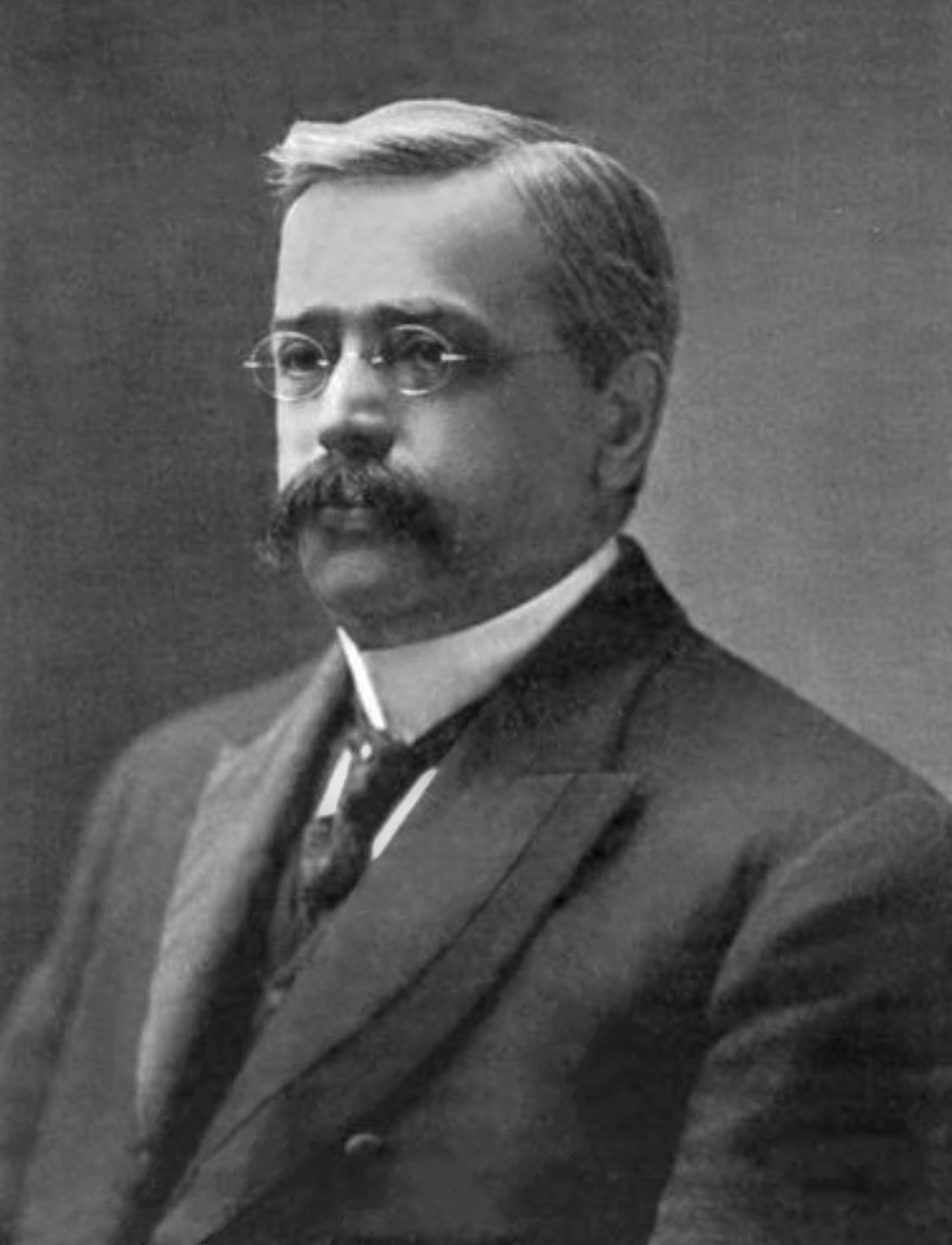
Henry Cassel
Former U.S. Representative · Pennsylvania District 9 · 1901–1909 · Republican
Henry Cassel represented Pennsylvania's District 9 in the United States House of Representatives (1901–1909) for the Republican party. The page below collects sourced biographical facts, term history, committee roles, and provenance for Cassel.
Bioguide ID: C000235
Key facts
- Full name
- Henry Cassel
- State
- Pennsylvania
- District
- District 9
- Party
- Republican
- House service
- 1901–1909
- First House term
- 1901
- Status
- Left office
- Current term ends
- —
- Born
- 1855
- Bioguide ID
- C000235
- Committee assignments
- —
- Dataset version
- 1.20260606
Biographical narrative
1,011 words · sourced from the Wikipedia REST extract
Henry Cassel was a Republican politician who served as a U.S. Representative for Pennsylvania's 9th congressional district from 1901 until 1909. His political career was marked by his involvement in local and state politics before ascending to the national stage. Cassel's tenure in the House of Representatives included a significant role as Chairman of the House Committee on Accounts, reflecting his engagement with fiscal matters during his time in office. However, his career was ultimately overshadowed by a conviction for fraud related to the construction of the Pennsylvania State Capitol, which led to his departure from Congress and a return to business pursuits.
Early life and career
Henry Burd Cassel was born on October 19, 1855, in Marietta, Pennsylvania. He received his early education at the Columbia Classical Institute, where he likely gained a foundation in the liberal arts that would serve him throughout his career. Following his education, Cassel entered the business world, specifically in the wholesale and retail lumber industry. This experience in business not only provided him with a livelihood but also contributed to his understanding of economic issues, which would later inform his political career.
Cassel's political involvement began at the local level. In 1881, he became a member of the Republican County Committee, which marked the beginning of his active participation in the Republican Party. His commitment to the party deepened over the years, and by 1893, he had ascended to the position of Chairman of the County Committee. This role allowed him to influence local party dynamics and engage with constituents on various issues.
His political ambitions continued to grow, leading him to serve as a delegate to the 1896 Republican National Convention. This experience provided him with insight into national politics and the workings of the Republican Party at a higher level. Two years later, in 1898, Cassel was elected to the Pennsylvania State House of Representatives, where he served until 1900. His time in the state legislature allowed him to gain valuable experience in governance and legislative processes, further preparing him for his future role in Congress.
House tenure
Henry Cassel was elected to the U.S. House of Representatives in 1901, filling a vacancy created by the death of Representative Marriott Brosius. He was a member of the Fifty-seventh Congress and was subsequently reelected to three additional terms, serving in the Fifty-eighth, Fifty-ninth, and Sixtieth Congresses. His election to Congress marked a significant transition from state to federal politics, and he quickly became involved in the legislative process at the national level.
During his time in the House, Cassel was known for his role as Chairman of the United States House Committee on Accounts during the Fifty-ninth Congress. This position was significant as it involved oversight of the financial operations of the House, including the management of funds and expenditures. His chairmanship indicated a focus on fiscal responsibility and accountability within the legislative branch, aligning with the broader Republican emphasis on financial prudence during that era.
Cassel's legislative career was characterized by his engagement in various issues pertinent to his constituents and the nation. While specific details of his legislative initiatives and voting record are not provided, his role on the Committee on Accounts suggests that he was involved in discussions and decisions regarding government spending and financial oversight. This focus on fiscal matters was particularly relevant during a time when the United States was experiencing significant economic changes and challenges.
Despite his active participation in Congress, Cassel's political career faced a significant setback in 1909 when he was convicted of fraud related to the construction of the Pennsylvania State Capitol. This conviction not only ended his tenure in the House but also marred his reputation and political legacy. The circumstances surrounding the fraud case highlight the complexities and challenges that can arise in public service, particularly in relation to financial dealings and accountability.
Legislative focus and committees
Throughout his four terms in the U.S. House of Representatives, Henry Cassel's legislative focus appeared to center on fiscal matters, as evidenced by his role as Chairman of the House Committee on Accounts. This committee was responsible for overseeing the financial operations of the House, ensuring that funds were managed appropriately and that expenditures were justified. Cassel's involvement in this committee suggests that he was concerned with issues of government accountability and transparency, which were particularly important during a period of growing public scrutiny of government finances.
While specific legislation that Cassel sponsored or supported is not detailed in the available information, his position on the Committee on Accounts would have placed him at the intersection of various fiscal policies and budgetary considerations. The early 20th century was a time of significant economic transformation in the United States, with industrialization and urbanization reshaping the landscape. As a representative from Pennsylvania, a state with a rich industrial history, Cassel would have been attuned to the economic needs and concerns of his constituents.
In addition to his committee work, Cassel's background in business likely informed his approach to legislative issues. His experience in the lumber industry would have provided him with insights into trade, commerce, and economic development, which could have influenced his perspectives on related legislation. The intersection of his business acumen and political responsibilities may have shaped his contributions to discussions on economic policy and fiscal management.
Following his conviction for fraud in 1909, Cassel's political career came to an abrupt end. He transitioned back into the private sector, where he continued to work as a manufacturer and contractor. His return to business marked a shift away from public service, and he remained active in the industry until his death on April 28, 1926, in Marietta, Pennsylvania. Cassel was interred at Marietta Cemetery, where he rests alongside fellow community members.
Henry Cassel's life and career reflect the complexities of political service in the early 20th century, characterized by both public engagement and personal challenges. His journey from local business to national politics illustrates the pathways through which individuals can influence governance, while also highlighting the potential pitfalls that can accompany public service.
Notable legislation
Sponsored and co-sponsored legislation for Henry Cassel is pending operator curation. The biographical narrative above carries the same provenance trail until per-bill rows are written.
Sources
- [1]https://en.wikipedia.org/wiki/Henry_B._CasselWikipedia · retrieved 2026-06-06
Notable quotes
Sourced quotes for Henry Cassel are pending operator curation. Narrative-scope provenance remains attached below.
Sources
- [1]https://en.wikipedia.org/wiki/Henry_B._CasselWikipedia · retrieved 2026-06-06
Key positions
Curated policy positions for Henry Cassel are pending operator review. The biographical narrative above carries the same provenance trail until per-topic positions are written.
Sources
- [1]https://en.wikipedia.org/wiki/Henry_B._CasselWikipedia · retrieved 2026-06-06
Terms served
- 1901–1903U.S. House · Term 1 · Republican
- 1903–1905U.S. House · Term 2 · Republican
- 1905–1907U.S. House · Term 3 · Republican
- 1907–1909U.S. House · Term 4 · Republican
Sources & provenance
Every attributable claim above carries a per-section [N] marker that resolves to the corresponding URL below. Each entry records the upstream provider, the canonical URL, and the timestamp at which the source was retrieved by the ingest pipeline.
Key facts
- https://bioguide.congress.gov/search/bio/C000235bioguide · retrieved 2026-06-06
- https://www.govtrack.us/congress/members/402380govtrack · retrieved 2026-06-06
Biographical narrative
- https://en.wikipedia.org/wiki/Henry_B._Casselwikipedia · retrieved 2026-06-06
Find your representative
Every U.S. state elects representatives by district. Browse Pennsylvania’s delegation, the full former-representative roster, or explore the role and term length.
Related on The Candidate
- Preceded by Daniel ErmentroutEarlier holder of the Pennsylvania District 9 House seat · Democratic.Open
- Succeeded by Henry WatsonLater holder of the Pennsylvania District 9 House seat · Republican.Open
- Adam SeybertFormer U.S. Representative · Pennsylvania District 1 · RepublicanOpen
- Benjamin SayFormer U.S. Representative · Pennsylvania District 1 · RepublicanOpen
- Chapman FreemanFormer U.S. Representative · Pennsylvania District 1 · RepublicanOpen
- Harry RansleyFormer U.S. Representative · Pennsylvania District 1 · RepublicanOpen