
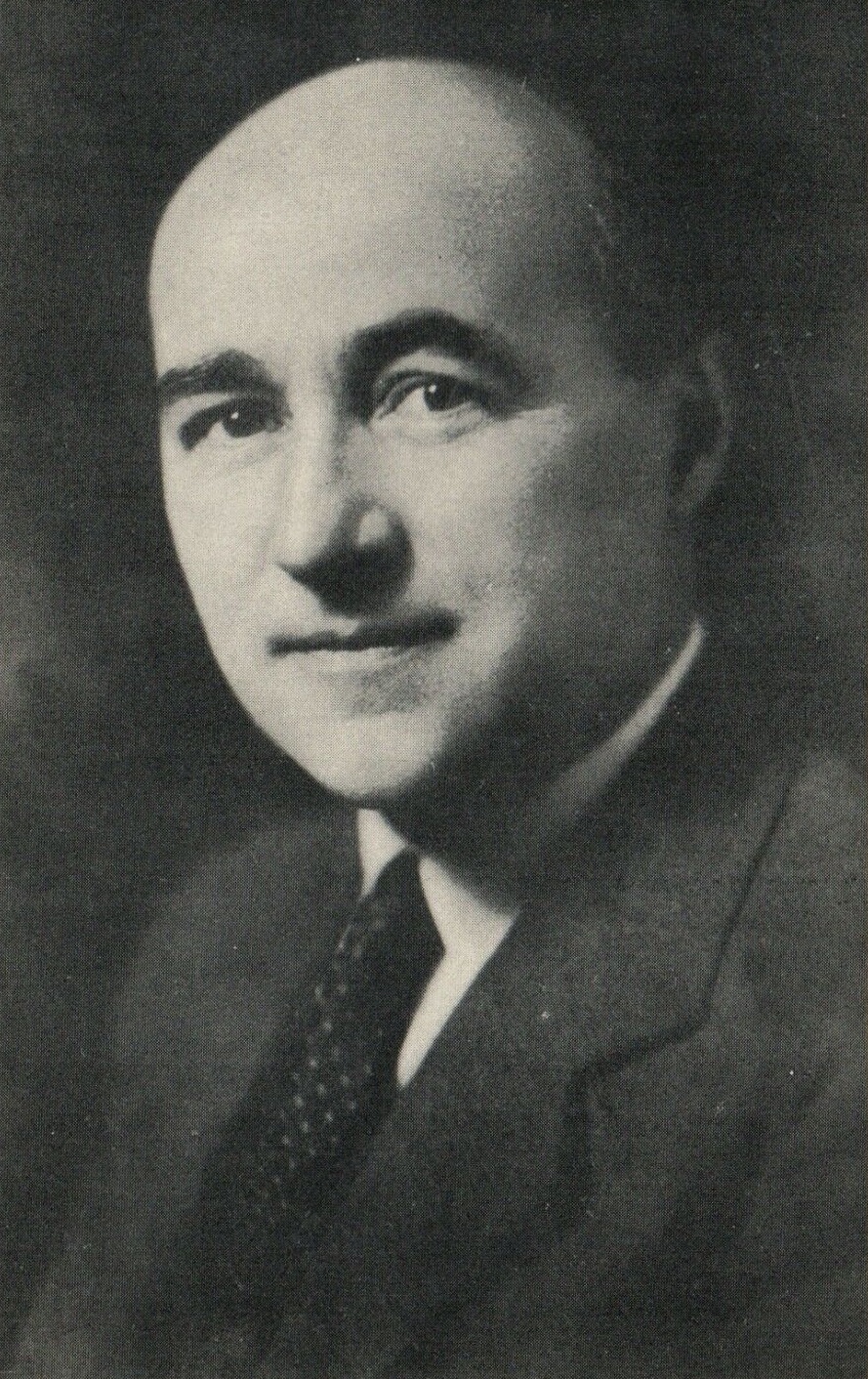
Historical · U.S. House · Pennsylvania · District 9
Oliver Frey
Former U.S. Representative · Pennsylvania District 9 · 1933–1939 · Democratic
Oliver Frey represented Pennsylvania's District 9 in the United States House of Representatives (1933–1939) for the Democratic party. The page below collects sourced biographical facts, term history, committee roles, and provenance for Frey.
Bioguide ID: F000382
Key facts
- Full name
- Oliver Frey
- State
- Pennsylvania
- District
- District 9
- Party
- Democratic
- House service
- 1933–1939
- First House term
- 1933
- Status
- Left office
- Current term ends
- —
- Born
- 1887
- Bioguide ID
- F000382
- Committee assignments
- —
- Dataset version
- 1.20260605
Biographical narrative
929 words · sourced from the Wikipedia REST extract
Oliver Frey was an American lawyer and politician who served as a Democratic member of the U.S. House of Representatives for Pennsylvania's 9th congressional district from 1933 until 1939. His career in public service was marked by his commitment to his constituents and his experiences as a World War I veteran. Frey’s tenure in Congress was characterized by his involvement in various legislative matters, reflecting the political climate of the time. He was born on September 7, 1887, and passed away on August 26, 1939, leaving behind a legacy of public service.
Early life and career
Oliver Walter Frey was born in a rural area near Quakertown, Pennsylvania. His family moved to Ohio when he was just four years old, and later relocated to Allentown, Pennsylvania, in 1893. This move to Allentown would play a significant role in shaping his future, as he would later represent this region in Congress. Frey pursued his education diligently and graduated from the College of William and Mary in Williamsburg, Virginia, in 1915. His academic background laid the foundation for his future career in law and politics.
Following his graduation, Frey enlisted in the United States Army during World War I. His military service began in April 1917, and he quickly rose to the rank of first lieutenant in the 314th Infantry, which was part of the 79th Division. Frey served overseas during the war, contributing to the efforts of the United States military until he was honorably discharged in June 1919. This experience not only shaped his character but also instilled in him a sense of duty and commitment to his country.
After returning from military service, Frey resumed his education, enrolling at the University of Pennsylvania. He graduated from the law department in 1920, which equipped him with the legal knowledge necessary for his future endeavors in public service. Following his graduation, Frey began his career as a lawyer, establishing himself in the legal community and gaining valuable experience that would later inform his work as a legislator.
House tenure
Frey's political career began in earnest when he was elected to the U.S. House of Representatives as a Democrat. He was elected to fill a vacancy in the Seventy-third Congress, which had arisen due to the death of Henry Winfield Watson. This election marked the beginning of Frey's three terms in Congress, during which he served from 1933 until 1939. His election came during a tumultuous time in American history, as the nation was grappling with the effects of the Great Depression. Frey’s background as a lawyer and his experiences as a veteran likely influenced his perspectives on the pressing issues of the day.
During his time in the House, Frey was reelected to the Seventy-fourth and Seventy-fifth Congresses, demonstrating a level of support from his constituents in Pennsylvania's 9th district. His legislative work during these terms would have involved addressing various economic and social challenges, as well as contributing to discussions on national defense and veterans' affairs, reflecting his own experiences as a soldier.
Despite his initial success in Congress, Frey faced challenges in his political career. In 1938, he ran for reelection but was unsuccessful. This defeat marked the end of his tenure in the House of Representatives, concluding a significant chapter in his life dedicated to public service. Following his departure from Congress, Frey continued to contribute to the public sector by taking on the role of general counsel for the Farm Credit Administration in Baltimore, Maryland. He held this position from April 1939 until his untimely death later that year.
Legislative focus and committees
While specific details regarding the legislation Frey supported or the committees on which he served are not extensively documented, it can be inferred that his legal background and military service would have informed his legislative priorities. As a member of the Democratic Party during the 1930s, Frey would have been involved in discussions surrounding the New Deal policies initiated by President Franklin D. Roosevelt, which aimed to address the economic hardships faced by many Americans during the Great Depression.
Frey's experience as a World War I veteran likely influenced his advocacy for veterans' issues and military-related legislation. Given the historical context of his service, it is reasonable to assume that he would have been engaged in efforts to support returning veterans and their families, ensuring they received the benefits and support they needed to reintegrate into civilian life.
In addition to veterans' affairs, Frey may have also focused on agricultural issues, particularly given his later role with the Farm Credit Administration. This agency was established to provide financial assistance to farmers and promote agricultural development, which would have been a critical concern during the economic struggles of the 1930s. Frey's legal expertise would have been valuable in navigating the complexities of agricultural law and policy.
Frey's tenure in Congress was marked by a commitment to addressing the needs of his constituents and contributing to the broader legislative agenda of the Democratic Party during a pivotal era in American history. His work in the House of Representatives reflected the challenges and opportunities of the time, as the nation sought to recover from economic turmoil and prepare for the future.
Oliver Frey passed away on August 26, 1939, in Allentown, Pennsylvania, at the age of 51. His contributions to public service, both as a soldier and as a legislator, left a lasting impact on his community and the state of Pennsylvania. He was interred in Grandview Cemetery in Allentown, where he is remembered for his dedication to his country and his constituents.
Notable legislation
Sponsored and co-sponsored legislation for Oliver Frey is pending operator curation. The biographical narrative above carries the same provenance trail until per-bill rows are written.
Sources
- [1]https://en.wikipedia.org/wiki/Oliver_W._FreyWikipedia · retrieved 2026-06-05
Notable quotes
Sourced quotes for Oliver Frey are pending operator curation. Narrative-scope provenance remains attached below.
Sources
- [1]https://en.wikipedia.org/wiki/Oliver_W._FreyWikipedia · retrieved 2026-06-05
Key positions
Curated policy positions for Oliver Frey are pending operator review. The biographical narrative above carries the same provenance trail until per-topic positions are written.
Sources
- [1]https://en.wikipedia.org/wiki/Oliver_W._FreyWikipedia · retrieved 2026-06-05
Terms served
- 1933–1935U.S. House · Term 1 · Democratic
- 1935–1937U.S. House · Term 2 · Democratic
- 1937–1939U.S. House · Term 3 · Democratic
Sources & provenance
Every attributable claim above carries a per-section [N] marker that resolves to the corresponding URL below. Each entry records the upstream provider, the canonical URL, and the timestamp at which the source was retrieved by the ingest pipeline.
Key facts
- https://bioguide.congress.gov/search/bio/F000382bioguide · retrieved 2026-06-05
- https://www.govtrack.us/congress/members/404327govtrack · retrieved 2026-06-05
Biographical narrative
- https://en.wikipedia.org/wiki/Oliver_W._Freywikipedia · retrieved 2026-06-05
Find your representative
Every U.S. state elects representatives by district. Browse Pennsylvania’s delegation, the full former-representative roster, or explore the role and term length.
Related on The Candidate
- Preceded by Henry CasselEarlier holder of the Pennsylvania District 9 House seat · Republican.Open
- Succeeded by Paul DagueLater holder of the Pennsylvania District 9 House seat · Republican.Open
- Adam SeybertFormer U.S. Representative · Pennsylvania District 1 · RepublicanOpen
- Benjamin SayFormer U.S. Representative · Pennsylvania District 1 · RepublicanOpen
- Chapman FreemanFormer U.S. Representative · Pennsylvania District 1 · RepublicanOpen
- Harry RansleyFormer U.S. Representative · Pennsylvania District 1 · RepublicanOpen