
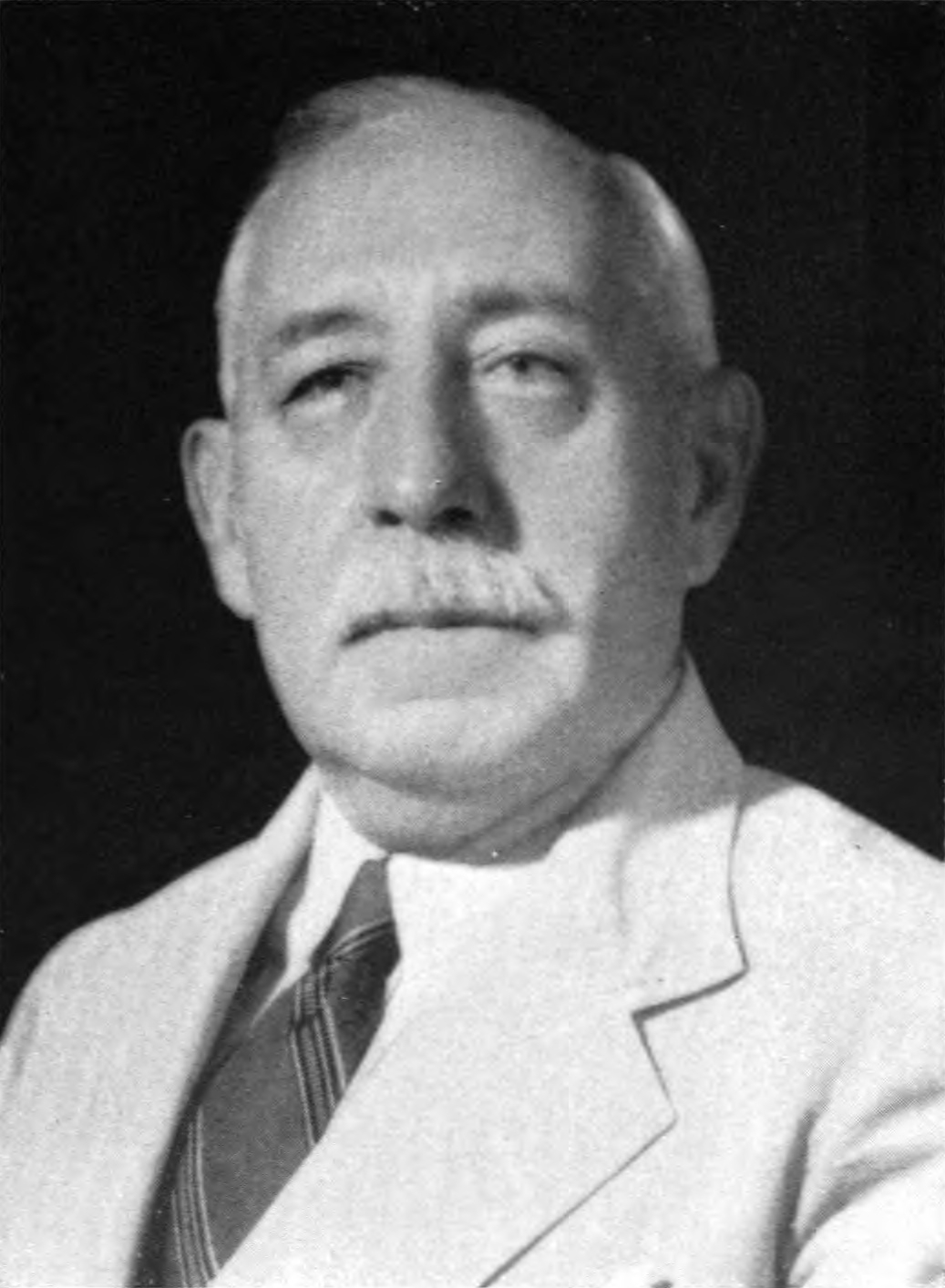
Historical · U.S. House · Puerto Rico · At-Large
Santiago Iglesias
Former U.S. Representative · Puerto Rico At-Large · 1933–1941 · Coalitionist
Santiago Iglesias represented Puerto Rico's At-Large in the United States House of Representatives (1933–1941) for the Coalitionist party. The page below collects sourced biographical facts, term history, committee roles, and provenance for Iglesias.
Bioguide ID: I000002
Key facts
- Full name
- Santiago Iglesias
- State
- Puerto Rico
- District
- At-Large
- Party
- Coalitionist
- House service
- 1933–1941
- First House term
- 1933
- Status
- Left office
- Current term ends
- —
- Born
- 1872
- Bioguide ID
- I000002
- Committee assignments
- —
- Dataset version
- 1.20260605
Biographical narrative
894 words · sourced from the Wikipedia REST extract
Santiago Iglesias was a prominent Puerto Rican socialist, trade union activist, and politician who served as a U.S. Representative for Puerto Rico from 1933 until his death in 1939. As a member of the Coalitionist Party, Iglesias was a strong advocate for labor rights and Puerto Rican statehood. His tenure in the U.S. Congress was marked by his efforts to integrate Puerto Rico into federal assistance programs and to promote social reforms on the island.
Early life and career
Santiago Iglesias Pantín was born on February 22, 1872, in A Coruña, Galicia, Spain. His early education took place in local common schools, after which he was apprenticed as a cabinet maker. Seeking greater opportunities, Iglesias stowed away on a ship that brought him to Cuba. Once in Cuba, he became involved in labor organization, serving as the secretary of the Workingmen Trades Circle in Havana starting in 1889. His early activism laid the groundwork for his future endeavors in labor rights.
In the early 20th century, Iglesias moved to Puerto Rico, where he became a significant figure in the labor movement. He founded and edited several labor publications, including "Porvenir Social" from 1898 to 1900, "Union Obrera" from 1903 to 1906, and "Justicia" from 1914 to 1925. His editorial work and activism often led to confrontations with authorities, resulting in multiple arrests due to his labor organizing efforts.
Iglesias's influence in labor circles grew, and he became an ally of Samuel Gompers, the president of the American Federation of Labor (AFL). In 1901, Gompers appointed him as the general organizer for the AFL in Puerto Rico and Cuba. Iglesias's commitment to labor rights culminated in the founding of the Puerto Rico Socialist Party in 1915, a political party that supported labor rights and alliances with the United States.
In addition to his labor activities, Iglesias served as a member of the first Senate of Puerto Rico, where he was elected in 1917 and continued to serve until he was elected to Congress in 1932. His political career was characterized by a focus on social reform and labor rights, which would continue to shape his legislative agenda in the U.S. Congress.
House tenure
Santiago Iglesias's congressional career began when he was elected as the Resident Commissioner of Puerto Rico on November 8, 1932. He served in this capacity from March 4, 1933, until his death on December 5, 1939. During his time in the U.S. House of Representatives, Iglesias was a member of the 73rd, 74th, 75th, and 76th Congresses. His tenure was marked by a commitment to advocating for the interests of Puerto Rico and its residents.
Throughout his time in Congress, Iglesias faced challenges in pushing for legislation that would grant Puerto Ricans the ability to elect their own governor. This goal was not realized until 1947, after his tenure had ended. However, he was instrumental in ensuring that Puerto Rico was included in various New Deal programs, which provided much-needed assistance during the Great Depression. His efforts helped secure funding for road construction, agricultural experimentation through the Bankhead-Jones Act, and initiatives aimed at combating malaria.
Iglesias's work in Congress also focused on addressing the unique status of Puerto Rico as a territory of the United States. He advocated for the exclusion of Puerto Rico from certain federal taxation laws, particularly those affecting shipping between Puerto Rico and other U.S. ports. His legislative efforts were aimed at improving the economic conditions of the island and ensuring that its residents received equitable treatment under U.S. law.
Legislative focus and committees
During his time in the U.S. House of Representatives, Santiago Iglesias served on several important committees, including the Insular Affairs, Agriculture, and Labor committees. His positions on these committees allowed him to influence legislation that directly affected Puerto Rico and its residents.
Iglesias's focus on labor issues was a continuation of his lifelong commitment to workers' rights. He sought to address the needs of laborers in Puerto Rico, advocating for policies that would improve working conditions and wages. His background as a labor organizer informed his legislative priorities, and he worked to ensure that the voices of Puerto Rican workers were heard in Congress.
In addition to labor rights, Iglesias was a proponent of social reforms that aimed to improve the quality of life for Puerto Ricans. His advocacy for social justice and equity was reflected in his support for various New Deal programs, which aimed to alleviate poverty and stimulate economic growth. Iglesias's efforts contributed to the broader movement for social reform that characterized the era, and many of the initiatives he championed laid the groundwork for future reforms in Puerto Rico.
Iglesias's tenure in Congress was cut short by his death in 1939, but his legacy continued to influence Puerto Rican politics and labor movements. His commitment to social justice, labor rights, and Puerto Rican statehood remains a significant part of his historical impact. Following his death, Iglesias was honored with a funeral that drew a large crowd, reflecting the respect and admiration he garnered throughout his life.
In summary, Santiago Iglesias was a key figure in the labor movement and Puerto Rican politics during the early 20th century. His work as a U.S. Representative and his advocacy for social reforms and labor rights have left a lasting legacy in Puerto Rico and the broader context of American politics.
Notable legislation
Sponsored and co-sponsored legislation for Santiago Iglesias is pending operator curation. The biographical narrative above carries the same provenance trail until per-bill rows are written.
Sources
- [1]https://en.wikipedia.org/wiki/Santiago_IglesiasWikipedia · retrieved 2026-06-05
Notable quotes
Sourced quotes for Santiago Iglesias are pending operator curation. Narrative-scope provenance remains attached below.
Sources
- [1]https://en.wikipedia.org/wiki/Santiago_IglesiasWikipedia · retrieved 2026-06-05
Key positions
Curated policy positions for Santiago Iglesias are pending operator review. The biographical narrative above carries the same provenance trail until per-topic positions are written.
Sources
- [1]https://en.wikipedia.org/wiki/Santiago_IglesiasWikipedia · retrieved 2026-06-05
Terms served
- 1933–1935U.S. House · Term 1 · Coalitionist
- 1935–1937U.S. House · Term 2 · Coalitionist
- 1937–1939U.S. House · Term 3 · Coalitionist
- 1939–1941U.S. House · Term 4 · Coalitionist
Sources & provenance
Every attributable claim above carries a per-section [N] marker that resolves to the corresponding URL below. Each entry records the upstream provider, the canonical URL, and the timestamp at which the source was retrieved by the ingest pipeline.
Key facts
- https://bioguide.congress.gov/search/bio/I000002bioguide · retrieved 2026-06-05
- https://www.govtrack.us/congress/members/405864govtrack · retrieved 2026-06-05
Biographical narrative
- https://en.wikipedia.org/wiki/Santiago_Iglesiaswikipedia · retrieved 2026-06-05
Find your representative
Every U.S. state elects representatives by district. Browse Puerto Rico’s delegation, the full former-representative roster, or explore the role and term length.
Related on The Candidate
- Preceded by Félix DávilaEarlier holder of the Puerto Rico At-Large House seat · Unionist.Open
- Succeeded by Antonio Fernós-IsernLater holder of the Puerto Rico At-Large House seat · Popular Democrat.Open
- Aníbal Acevedo-ViláFormer U.S. Representative · Puerto Rico At-Large · Popular DemocratOpen
- Antonio ColoradoFormer U.S. Representative · Puerto Rico At-Large · DemocraticOpen
- Baltasar Corrada-del RíoFormer U.S. Representative · Puerto Rico At-Large · New ProgressiveOpen
- Representatives from Puerto RicoEvery former U.S. Representative who has represented Puerto Rico.Open