
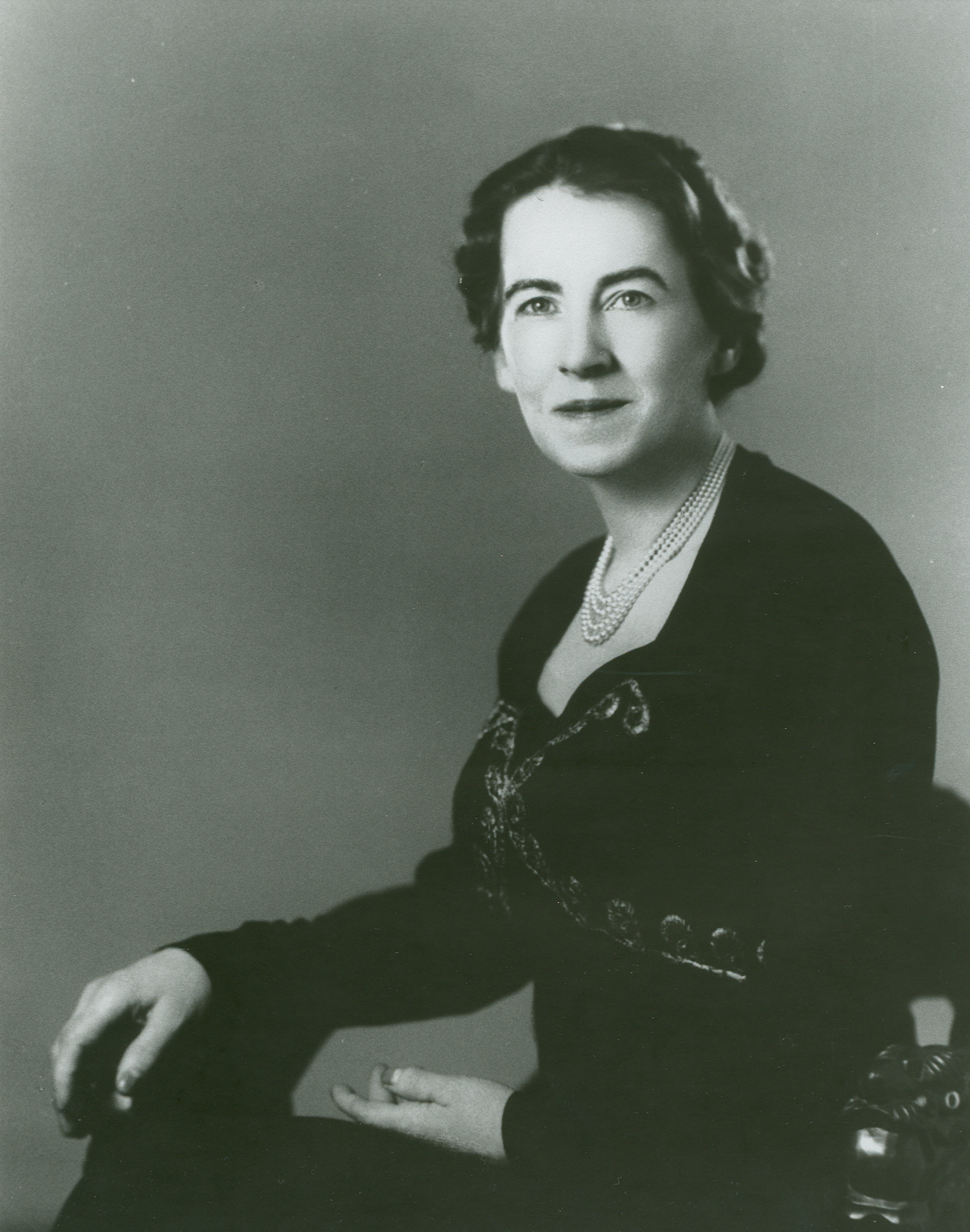
Historical · U.S. House · South Carolina · District 6
Elizabeth Gasque
Former U.S. Representative · South Carolina District 6 · 1937–1939 · Democratic
Elizabeth Gasque represented South Carolina's District 6 in the United States House of Representatives (1937–1939) for the Democratic party. The page below collects sourced biographical facts, term history, committee roles, and provenance for Gasque.
Bioguide ID: G000093
Key facts
- Full name
- Elizabeth Gasque
- State
- South Carolina
- District
- District 6
- Party
- Democratic
- House service
- 1937–1939
- First House term
- 1937
- Status
- Left office
- Current term ends
- —
- Born
- 1886
- Bioguide ID
- G000093
- Committee assignments
- —
- Dataset version
- 1.20260605
Biographical narrative
893 words · sourced from the Wikipedia REST extract
Elizabeth Gasque was an American politician who made history as the first woman elected to the United States Congress from South Carolina. Serving as a U.S. Representative for South Carolina's 6th congressional district, she held office for a brief period in 1938 and 1939. Gasque's tenure was marked by her unique circumstances of being elected to fill a vacancy left by her late husband, Allard Henry Gasque. Although she did not attend any sessions of Congress during her time in office, her election represented a significant milestone in the representation of women in American politics. After her congressional term, she continued to engage in public life as an author and lecturer, leaving a lasting legacy that extended beyond her political career.
Early life and career
Elizabeth Gasque was born on February 26, 1886, in South Carolina. She was originally named Elizabeth Hawley Gasque. Details about her early life, including her family background and education, are not extensively documented; however, it is known that she grew up in a time when women's roles in society were largely confined to domestic spheres. This context would shape her later political aspirations and achievements.
Gasque's entry into the political arena was influenced by her marriage to Allard Henry Gasque, a prominent figure in South Carolina politics. Her husband served as a U.S. Representative prior to his passing, which would later lead to her own election. Following his death, Elizabeth Gasque's decision to run for office was a pivotal moment that not only marked her entry into politics but also represented a broader shift in societal attitudes towards women's participation in governance.
Despite the challenges that women faced in the political landscape of the late 1930s, Gasque's election was a reflection of the changing dynamics in American society, where women were beginning to assert their rights and seek representation in government. Her candidacy was emblematic of the gradual progress being made towards gender equality in political representation, setting a precedent for future generations of women in politics.
House tenure
Elizabeth Gasque was elected to the U.S. House of Representatives on September 13, 1938. Her election came as a result of a special election to fill the vacancy created by the death of her husband, Allard Henry Gasque. This unique circumstance underscored the personal and political connections that often influenced political candidacies at the time.
Gasque's term in the House was notably brief, concluding on January 3, 1939. During her time in office, she did not attend any congressional sessions, as Congress was not in session during the months she served. This aspect of her tenure is significant, as it highlights the limitations and challenges that women in politics faced during this era. Despite being elected to represent her constituents, the lack of opportunity to actively participate in legislative processes limited her impact as a legislator.
After her term ended, Elizabeth Gasque chose not to seek renomination. This decision may have been influenced by various factors, including her personal circumstances and the political climate of the time. Following her departure from Congress, she shifted her focus towards writing and public speaking, engaging with communities and sharing her experiences. This transition allowed her to continue contributing to public discourse, albeit outside the formal political arena.
Legislative focus and committees
During her short tenure in Congress, Elizabeth Gasque did not have the opportunity to serve on any committees or engage in significant legislative initiatives, primarily due to the fact that she did not attend any sessions of Congress. However, her election as the first woman from South Carolina to hold a congressional seat was a symbolic achievement that resonated with many constituents and advocates for women's rights.
Gasque's election came at a time when the role of women in politics was evolving, and her presence in Congress, even if brief, represented a step forward in the fight for gender equality in governance. The significance of her election extended beyond her legislative actions, as it inspired future generations of women to pursue careers in politics and public service.
After her congressional term, Elizabeth Gasque remained active in civic life, contributing to various causes and engaging in public speaking. Her work as an author and lecturer allowed her to share her insights and experiences, furthering the conversation about women's roles in politics and society.
In recognition of her contributions and legacy, a section of a South Carolina state road was named the Elizabeth Gasque Van Exem Highway in 1982. This honor reflects the lasting impact of her life and career, commemorating her role in paving the way for future female politicians in South Carolina and beyond.
Elizabeth Gasque passed away on November 2, 1989, at the age of 103, making her the longest-lived member of Congress in history at that time. Her longevity and the circumstances of her life serve as a testament to the changes in American society regarding women's representation in politics.
In summary, Elizabeth Gasque's life and career encapsulate a significant chapter in the history of women's political participation in the United States. Her election to Congress, although brief and marked by unique circumstances, was a landmark event that contributed to the ongoing struggle for gender equality in American governance. Through her later work as an author and lecturer, she continued to influence public discourse, ensuring that her legacy would endure long after her time in office.
Notable legislation
Sponsored and co-sponsored legislation for Elizabeth Gasque is pending operator curation. The biographical narrative above carries the same provenance trail until per-bill rows are written.
Sources
- [1]https://en.wikipedia.org/wiki/Elizabeth_Hawley_GasqueWikipedia · retrieved 2026-06-05
Notable quotes
Sourced quotes for Elizabeth Gasque are pending operator curation. Narrative-scope provenance remains attached below.
Sources
- [1]https://en.wikipedia.org/wiki/Elizabeth_Hawley_GasqueWikipedia · retrieved 2026-06-05
Key positions
Curated policy positions for Elizabeth Gasque are pending operator review. The biographical narrative above carries the same provenance trail until per-topic positions are written.
Sources
- [1]https://en.wikipedia.org/wiki/Elizabeth_Hawley_GasqueWikipedia · retrieved 2026-06-05
Terms served
- 1937–1939U.S. House · Term 1 · Democratic
Sources & provenance
Every attributable claim above carries a per-section [N] marker that resolves to the corresponding URL below. Each entry records the upstream provider, the canonical URL, and the timestamp at which the source was retrieved by the ingest pipeline.
Key facts
- https://bioguide.congress.gov/search/bio/G000093bioguide · retrieved 2026-06-05
- https://www.govtrack.us/congress/members/404465govtrack · retrieved 2026-06-05
Biographical narrative
- https://en.wikipedia.org/wiki/Elizabeth_Hawley_Gasquewikipedia · retrieved 2026-06-05
Find your representative
Every U.S. state elects representatives by district. Browse South Carolina’s delegation, the full former-representative roster, or explore the role and term length.
Related on The Candidate
- Preceded by Philip StollEarlier holder of the South Carolina District 6 House seat · Democratic.Open
- Succeeded by John McMillanLater holder of the South Carolina District 6 House seat · Democratic.Open
- Arthur Ravenel Jr.Former U.S. Representative · South Carolina District 1 · RepublicanOpen
- Benjamin WhittemoreFormer U.S. Representative · South Carolina District 1 · RepublicanOpen
- Clara McMillanFormer U.S. Representative · South Carolina District 1 · DemocraticOpen
- Daniel WallaceFormer U.S. Representative · South Carolina District 1 · DemocraticOpen