
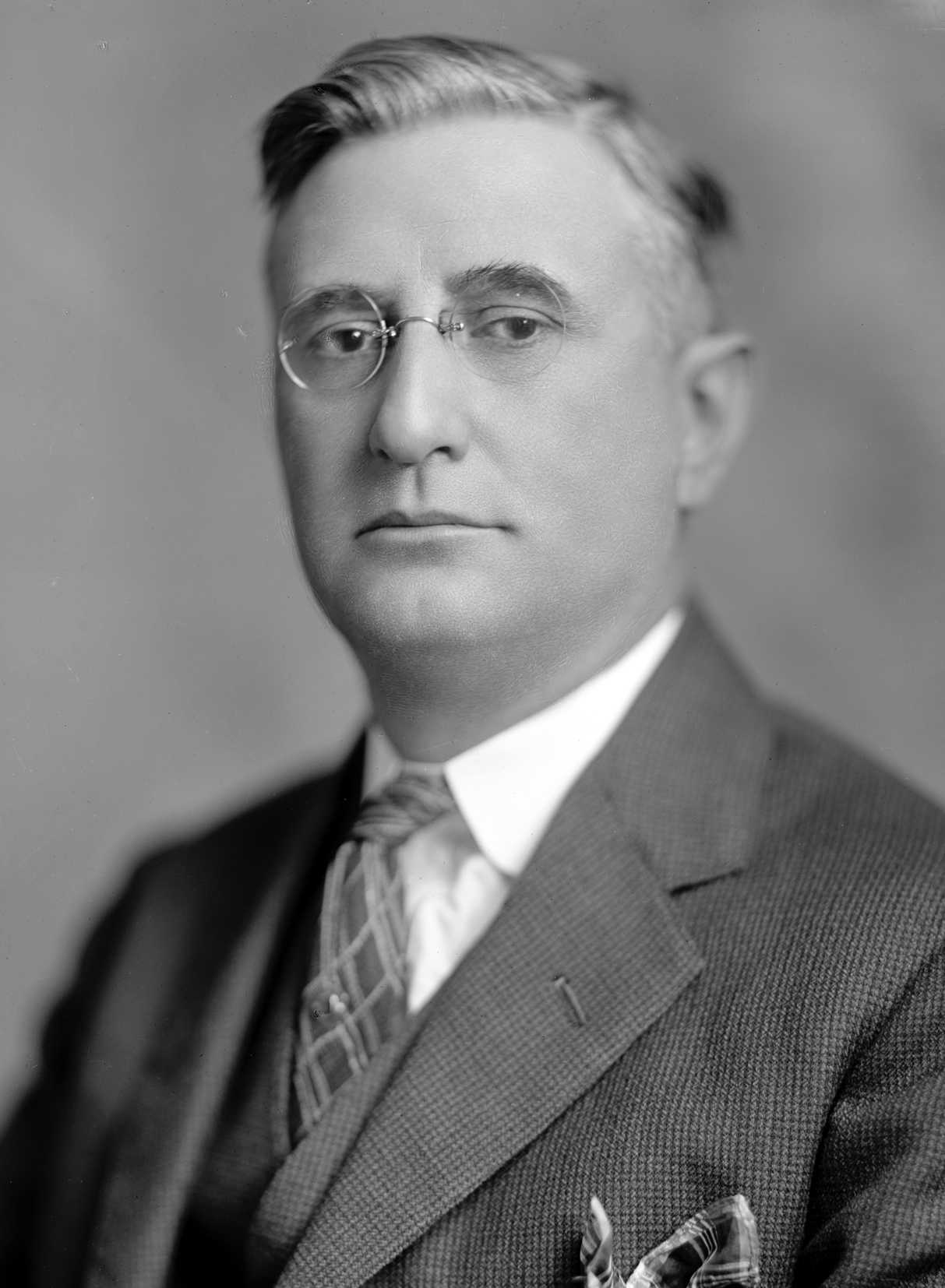
Historical · U.S. House · West Virginia · District 6
James Taylor
Former U.S. Representative · West Virginia District 6 · 1923–1927 · Democratic
James Taylor represented West Virginia's District 6 in the United States House of Representatives (1923–1927) for the Democratic party. The page below collects sourced biographical facts, term history, committee roles, and provenance for Taylor.
Bioguide ID: T000082
Key facts
- Full name
- James Taylor
- State
- West Virginia
- District
- District 6
- Party
- Democratic
- House service
- 1923–1927
- First House term
- 1923
- Status
- Left office
- Current term ends
- —
- Born
- 1878
- Bioguide ID
- T000082
- Committee assignments
- —
- Dataset version
- 1.20260606
Biographical narrative
890 words · sourced from the Wikipedia REST extract
James Taylor was an American politician who served as a U.S. Representative for West Virginia's 6th congressional district as a member of the Democratic Party. His congressional career spanned two terms from March 4, 1923, to March 3, 1927. Born on September 25, 1878, in Lawrence County, Ohio, Taylor's early life and subsequent political career were marked by his engagement in local business and governance, reflecting the political landscape of early 20th-century West Virginia.
Early life and career
James Taylor was born near Ironton, Ohio, where he received his education in the public school system. Following his schooling, he began his professional journey in a printing office located in Ironton. This early experience in the printing industry likely provided him with skills that would later serve him well in his political career, particularly in communication and public engagement. After his time in Ohio, Taylor relocated to Alderson, West Virginia, where he continued his involvement in the newspaper business. This transition marked a significant step in his career, as it connected him more closely to the community and the political dynamics of West Virginia.
In 1905, Taylor moved from Greenbrier County to Fayette County, further establishing his roots in West Virginia. His commitment to public service began in earnest when he joined the West Virginia National Guard, serving as a non-commissioned officer from 1908 to 1911. This military experience not only contributed to his leadership skills but also helped him build a network within the community and the state.
Taylor's political career commenced in 1916 when he was elected to the West Virginia House of Delegates. His tenure in this legislative body lasted until 1918, during which he gained valuable experience in governance and public policy. After a brief hiatus, he returned to the House of Delegates for two additional terms from 1920 to 1922. His leadership abilities were recognized during this period, culminating in his election as Speaker of the House during his final term in this legislative body. This role underscored his influence and standing within the Democratic Party and the state’s political framework.
House tenure
In 1922, Taylor successfully ran for a seat in the U.S. House of Representatives, representing West Virginia's 6th District, which is now defunct. His first term in Congress began on March 4, 1923. Taylor's election to the House was part of a broader Democratic strategy to regain influence in Congress during a time when the party was working to consolidate its power following the post-World War I political landscape. He was re-elected in 1924, allowing him to serve a total of two terms in the House.
During his time in Congress, Taylor participated in various legislative discussions and initiatives, contributing to the Democratic agenda of the era. His legislative focus and priorities were likely shaped by the needs and interests of his constituents in West Virginia, a state grappling with the economic challenges of the 1920s, including the impacts of industrialization and the transition from a wartime to a peacetime economy. However, specific details regarding his voting record or the legislation he supported are not documented in the available reference material.
Taylor's congressional career came to an end when he was defeated in his bid for a third term by Republican candidate Edward T. England in the elections following his second term. This defeat marked a significant turning point in Taylor's political journey, as he transitioned from federal politics back to local governance and business.
Legislative focus and committees
While specific details regarding the committees on which Taylor served during his time in the House are not provided, it is reasonable to infer that his background in state politics and his experience as Speaker of the House in West Virginia would have influenced his legislative focus. Representatives often align their efforts with the needs of their constituents, and given West Virginia's economic landscape during the 1920s, Taylor may have been involved in discussions related to labor, infrastructure, and economic development.
After leaving Congress, Taylor returned to the newspaper publishing business, indicating a continued commitment to communication and public discourse. In 1928, he sought to further his political career by running as the Democratic nominee for governor of West Virginia, although he was unsuccessful in this endeavor. This attempt to regain a prominent political position reflects his ongoing engagement with the political landscape of the state.
In the years following his congressional tenure, Taylor continued to serve the public in various capacities. He was appointed to the West Virginia Liquor Commission, where he served from 1941 to 1945. This role would have involved oversight and regulation of liquor sales and distribution in the state, a significant issue during the post-Prohibition era. Additionally, in 1946, he was elected to the Fayette County Board of Education for a six-year term, further demonstrating his commitment to public service and education.
James Taylor passed away on June 9, 1956, in Montgomery, West Virginia. His contributions to West Virginia politics and his service in the U.S. House of Representatives remain part of the historical narrative of the state. He was interred in Huse Memorial Park in Fayetteville, West Virginia, marking the end of a life dedicated to public service and community engagement. Taylor's career reflects the complexities of early 20th-century American politics, particularly in a state like West Virginia, where local and national issues often intersected.
Notable legislation
Sponsored and co-sponsored legislation for James Taylor is pending operator curation. The biographical narrative above carries the same provenance trail until per-bill rows are written.
Sources
- [1]https://en.wikipedia.org/wiki/J._Alfred_TaylorWikipedia · retrieved 2026-06-06
Notable quotes
Sourced quotes for James Taylor are pending operator curation. Narrative-scope provenance remains attached below.
Sources
- [1]https://en.wikipedia.org/wiki/J._Alfred_TaylorWikipedia · retrieved 2026-06-06
Key positions
Curated policy positions for James Taylor are pending operator review. The biographical narrative above carries the same provenance trail until per-topic positions are written.
Sources
- [1]https://en.wikipedia.org/wiki/J._Alfred_TaylorWikipedia · retrieved 2026-06-06
Terms served
- 1923–1925U.S. House · Term 1 · Democratic
- 1925–1927U.S. House · Term 2 · Democratic
Sources & provenance
Every attributable claim above carries a per-section [N] marker that resolves to the corresponding URL below. Each entry records the upstream provider, the canonical URL, and the timestamp at which the source was retrieved by the ingest pipeline.
Key facts
- https://bioguide.congress.gov/search/bio/T000082bioguide · retrieved 2026-06-06
- https://www.govtrack.us/congress/members/410666govtrack · retrieved 2026-06-06
Biographical narrative
- https://en.wikipedia.org/wiki/J._Alfred_Taylorwikipedia · retrieved 2026-06-06
Find your representative
Every U.S. state elects representatives by district. Browse West Virginia’s delegation, the full former-representative roster, or explore the role and term length.
Related on The Candidate
- Preceded by Leonard EcholsEarlier holder of the West Virginia District 6 House seat · Republican.Open
- Succeeded by Edward EnglandLater holder of the West Virginia District 6 House seat · Republican.Open
- Alan MollohanFormer U.S. Representative · West Virginia District 1 · DemocraticOpen
- Andrew SchifflerFormer U.S. Representative · West Virginia District 1 · RepublicanOpen
- Arch Moore Jr.Former U.S. Representative · West Virginia District 1 · RepublicanOpen
- Benjamin RosenbloomFormer U.S. Representative · West Virginia District 1 · RepublicanOpen