
Historical · U.S. Senate · Arkansas
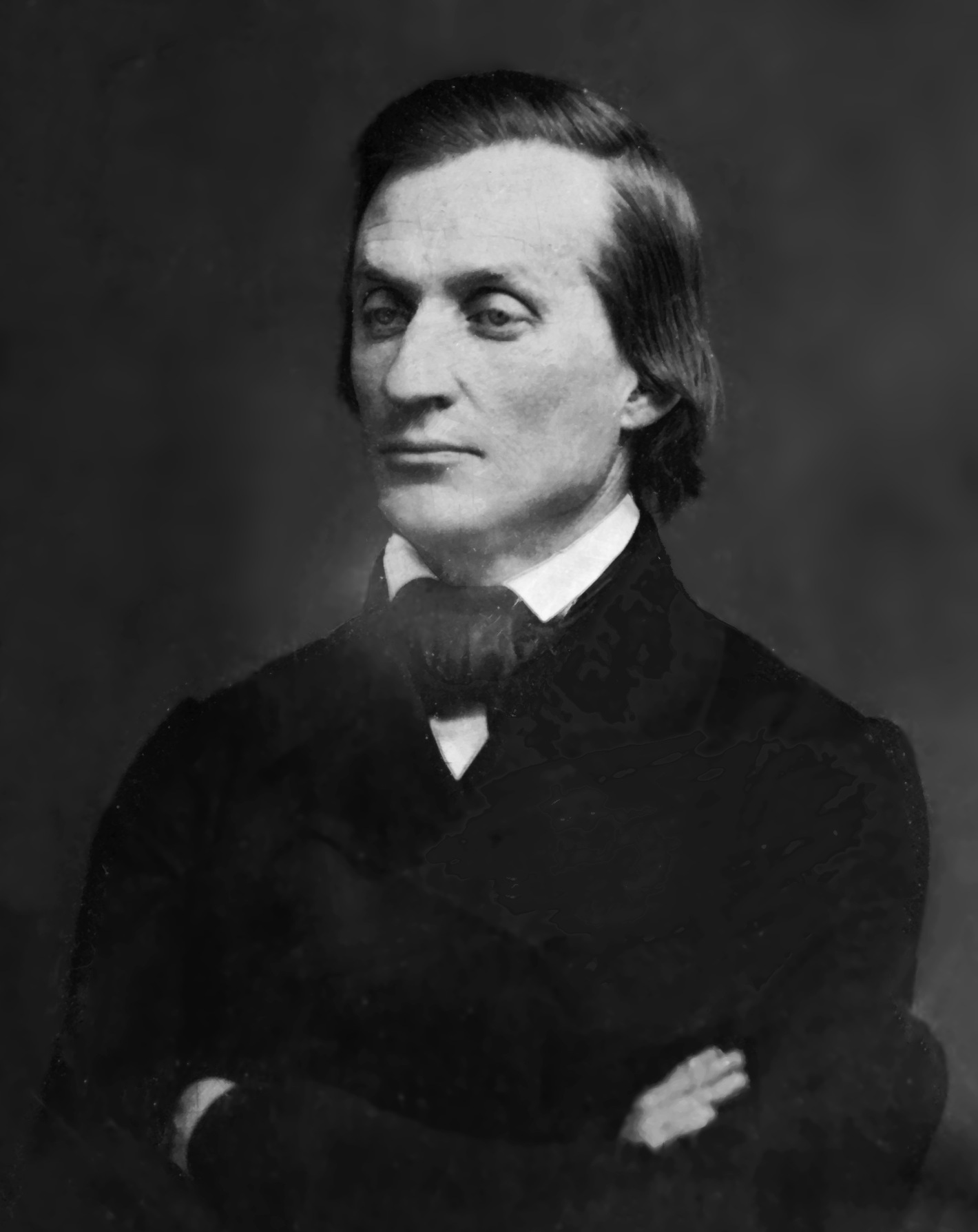
Solon Borland
Former U.S. Senator from Arkansas · 1848–1853 · Democratic · Class 3
Solon Borland represented Arkansas in the United States Senate (1848–1853) for the Democratic party. The page below collects sourced biographical facts, term history, committee roles, and provenance for Borland.
Bioguide ID: B000642
Key facts
- Full name
- Solon Borland
- State
- Arkansas
- Party
- Democratic
- Senate class
- Class III
- Senate service
- 1848–1853
- First Senate term
- 1848
- Status
- Left office
- Current term ends
- —
- Born
- 1808
- Bioguide ID
- B000642
- Committee assignments
- —
- Dataset version
- 1.20260602
Biographical narrative
1,059 words · sourced from the Wikipedia REST extract
Solon Borland was an American politician, journalist, medical doctor, and military officer who served as a United States Senator from Arkansas from 1848 until 1853. A member of the Democratic Party, Borland's political career was marked by his contentious views on issues such as slavery and states' rights, which often placed him at odds with both his peers in the Senate and constituents in Arkansas. Following his Senate tenure, he became involved in military service during the American Civil War, ultimately serving as a commander in the Confederate Army. His life spanned a period of significant political and social upheaval in the United States, and his actions reflected the complexities of that era.
Early life and career
Solon Borland was born on September 21, 1808, in Nansemond County, Virginia. He was the son of Thomas Borland, who emigrated from Scotland, and Harriet Godwin Borland. During his childhood, his family relocated to Murfreesboro, North Carolina, where he received his early education at Hertford Academy. Borland's academic pursuits extended beyond basic education; he studied medicine in both Philadelphia and Louisville, which laid the groundwork for his later career in medicine.
In 1831, Borland demonstrated his commitment to public service by leading a company of Virginia militia forces during Nat Turner's Rebellion in Southampton County, Virginia. This involvement in a significant historical event showcased his early engagement in both military and civic affairs. Throughout his life, Borland owned slaves, a fact that would later be a point of contention in his political career, especially given the evolving national discourse surrounding slavery.
In addition to his military service, Borland ventured into journalism. In 1843, following the death of his second wife, he moved to Little Rock, Arkansas, where he founded the Arkansas Banner. This newspaper became an influential voice in the state's Democratic Party politics, reflecting Borland's growing interest in political matters. His involvement in journalism was not without conflict; he famously challenged the editor of the rival Arkansas Gazette to a duel over a published slander against him, illustrating the contentious nature of political discourse at the time.
Senate tenure
Borland's political career took a significant turn when he was elected to the United States Senate in 1848 to fill the unexpired term of Ambrose H. Sevier. His tenure in the Senate was characterized by his strong advocacy for Southern rights and his disunionist views, which often placed him at odds with other members of the Senate. His confrontational approach was exemplified during a debate in 1850, when he physically attacked Mississippi Senator Henry S. Foote, an incident that underscored the intense divisions within Congress over issues related to slavery and states' rights.
Despite his assertive presence in the Senate, Borland's views were not well received by many of his colleagues, and he faced considerable opposition. Upon returning to Arkansas, he discovered that his positions were also unpopular among his constituents. This disconnect between his beliefs and the sentiments of his home state became increasingly evident as his Senate term progressed.
In 1852, Borland opposed the decision to send Commodore Matthew Perry to Japan to open the country to international trade, arguing that Japan's leaders had not acted against U.S. interests by maintaining their isolationist policies. This stance further alienated him from both his Senate colleagues and constituents who were more aligned with expansionist policies. Ultimately, Borland resigned from the Senate in 1853, a decision that reflected his growing disenchantment with the political climate of the time.
Following his resignation, Borland was appointed as Envoy Extraordinary and Minister Plenipotentiary to Nicaragua. His tenure in this diplomatic role was marked by controversial actions and statements. Upon arriving in Managua, Borland called for the U.S. government to repudiate the Clayton-Bulwer Treaty and advocated for military support for Honduras in the event of conflict with Great Britain. His ambitions for Nicaragua included a vision of the country becoming a part of the United States, which he articulated in a public address. However, his aggressive stance drew reprimands from Secretary of State William Marcy.
Borland's time in Nicaragua was tumultuous. He became embroiled in a local incident involving the arrest of an American citizen, which escalated to the point where he requested military intervention from the U.S. government. The situation culminated in the bombardment and destruction of Greytown, a significant event that highlighted the complexities of U.S. foreign policy in Central America during this period.
Legislative focus and committees
During his time in the Senate, Borland's legislative focus was primarily centered around issues of Southern rights and states' rights, particularly in relation to the contentious issue of slavery. His disunionist perspective was reflective of the broader tensions within the Democratic Party and the nation as a whole. Borland's confrontational style and willingness to engage in physical altercations, such as his attack on Senator Foote, illustrated the high stakes and intense emotions surrounding the debates of the era.
Borland's involvement in the Senate coincided with significant national events, including the debates over the Compromise of 1850 and the implications of the Fugitive Slave Act. His views often aligned with the more radical elements of the Southern political landscape, which sought to protect and expand the institution of slavery. However, his inability to garner widespread support within the Senate and among his constituents ultimately limited his effectiveness as a legislator.
In addition to his legislative work, Borland's role in various Senate committees would have involved addressing issues pertinent to his constituents and the nation. However, specific details regarding his committee assignments are not provided in the available references. His resignation from the Senate in 1853 marked the end of his formal legislative career, but he remained active in local politics and continued to express his views on states' rights and secession in the years leading up to the Civil War.
In summary, Solon Borland's life and career were marked by a series of significant events that reflected the turbulent political landscape of the United States during the 19th century. From his early life in Virginia and North Carolina to his contentious Senate tenure and later military service, Borland's actions and beliefs were emblematic of the broader conflicts that would ultimately lead to the Civil War. His legacy is intertwined with the complex history of American politics, particularly in relation to issues of slavery, states' rights, and the role of the United States in international affairs.
Notable legislation
Sponsored and co-sponsored legislation for Solon Borland is pending operator curation. The biographical narrative above carries the same provenance trail until per-bill rows are written.
Sources
- [1]https://en.wikipedia.org/wiki/Solon_BorlandWikipedia · retrieved 2026-06-02
Notable quotes
Sourced quotes for Solon Borland are pending operator curation. Narrative-scope provenance remains attached below.
Sources
- [1]https://en.wikipedia.org/wiki/Solon_BorlandWikipedia · retrieved 2026-06-02
Key positions
Curated policy positions for Solon Borland are pending operator review. The biographical narrative above carries the same provenance trail until per-topic positions are written.
Sources
- [1]https://en.wikipedia.org/wiki/Solon_BorlandWikipedia · retrieved 2026-06-02
Terms served
- 1848–1849U.S. Senate · Term 1 · Democratic · Class III
- 1849–1853U.S. Senate · Term 2 · Democratic · Class III
Sources & provenance
Every attributable claim above carries a per-section [N] marker that resolves to the corresponding URL below. Each entry records the upstream provider, the canonical URL, and the timestamp at which the source was retrieved by the ingest pipeline.
Key facts
- https://bioguide.congress.gov/search/bio/B000642bioguide · retrieved 2026-06-02
- https://www.govtrack.us/congress/members/401607govtrack · retrieved 2026-06-02
Biographical narrative
- https://en.wikipedia.org/wiki/Solon_Borlandwikipedia · retrieved 2026-06-02
Find your senator
Every U.S. state elects two senators. Browse Arkansas’s delegation, the full former-senator roster, or explore the role and term length.
Related on The Candidate
- Preceded by Ambrose SevierEarlier holder of the Arkansas Class III Senate seat · Democratic.Open
- Succeeded by Robert JohnsonLater holder of the Arkansas Class III Senate seat · Democratic.Open
- Alexander McDonaldFormer U.S. Senator from Arkansas · RepublicanOpen
- Augustus GarlandFormer U.S. Senator from Arkansas · DemocraticOpen
- Benjamin RiceFormer U.S. Senator from Arkansas · RepublicanOpen
- Democratic PartyFederal candidates and office holders on the Democratic line.Open