
Historical · U.S. Senate · California
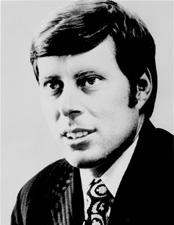
John Tunney
Former U.S. Senator from California · 1971–1977 · Democratic · Class 1
John Tunney represented California in the United States Senate (1971–1977) for the Democratic party. The page below collects sourced biographical facts, term history, committee roles, and provenance for Tunney.
Bioguide ID: T000410
Key facts
- Full name
- John Tunney
- State
- California
- Party
- Democratic
- Senate class
- Class I
- Senate service
- 1971–1977
- First Senate term
- 1971
- Status
- Left office
- Current term ends
- —
- Born
- 1934
- Bioguide ID
- T000410
- Committee assignments
- —
- Dataset version
- 1.20260602
Biographical narrative
927 words · sourced from the Wikipedia REST extract
John V. Tunney is a former United States Senator from California, representing the Democratic Party. He served in the U.S. Senate from 1971 until the conclusion of his term in January 1977. During his time in office, Tunney was involved in various legislative efforts and contributed to the political landscape of California and the nation.
Early life and career
John V. Tunney was born on June 26, 1934. His early life and formative years laid the groundwork for his future political career. Tunney pursued higher education, which equipped him with the knowledge and skills necessary for public service. He attended the University of California, Los Angeles (UCLA), where he earned a degree in political science. Following his undergraduate studies, he continued his education at the University of Southern California (USC), where he received his law degree.
Before entering politics, Tunney gained experience in the legal field. He practiced law, which provided him with insights into the legal system and the workings of government. His legal background would later inform his approach to legislation and governance. Tunney's career in law and his academic achievements positioned him well for a transition into public service.
In addition to his legal career, Tunney also served in the United States Navy. His military service contributed to his understanding of national defense and foreign policy issues, which would be relevant during his time in the Senate. After his service, he returned to California, where he began to engage more actively in political matters.
Tunney's entry into politics was marked by his election to the U.S. Senate. He successfully ran for the Senate seat in 1970, marking the beginning of his legislative career. His campaign focused on various issues that resonated with the electorate, and he was able to secure a position in the Senate, representing the interests of California residents.
Senate tenure
John V. Tunney's Senate tenure began in 1971, following his election to the U.S. Senate. He represented California as a member of the Democratic Party and was part of the Senate Class 1. During his time in office, Tunney was involved in a range of legislative initiatives and discussions that addressed key issues facing the nation.
Throughout his Senate career, Tunney participated in various debates and votes on significant legislation. His work in the Senate was characterized by a commitment to addressing the needs of his constituents and advocating for policies that aligned with his party's platform. Tunney's tenure coincided with a period of considerable change in American society, including movements related to civil rights, environmental protection, and social welfare.
Tunney's legislative activities included engagement in discussions surrounding health care, education, and labor rights. He sought to represent the diverse interests of California, a state known for its varied demographics and economic sectors. His ability to navigate complex political landscapes was evident as he worked to build coalitions and support for his initiatives.
In 1976, Tunney sought re-election but did not succeed in maintaining his Senate seat. His term concluded on January 3, 1977, marking the end of his official service in the Senate. Despite his departure from the Senate, Tunney's contributions during his time in office left an impact on the legislative process and the issues he championed.
Legislative focus and committees
During his time in the Senate, John V. Tunney focused on a variety of legislative issues that reflected the priorities of his constituents and the Democratic Party. His work encompassed a range of topics, including health care, education, labor rights, and environmental issues. Tunney's commitment to these areas demonstrated his understanding of the pressing concerns facing California and the nation during the 1970s.
Tunney was known for his involvement in health care reform, advocating for policies aimed at improving access to medical services and addressing the needs of underserved populations. He recognized the importance of health care as a fundamental right and sought to promote initiatives that would enhance the quality of care available to all Americans.
In addition to health care, Tunney was active in education policy. He supported measures that aimed to improve educational opportunities and access for students across California. His focus on education reflected a broader commitment to social equity and the belief that access to quality education is essential for individual and societal advancement.
Labor rights were another significant area of focus for Tunney. He worked to support the rights of workers and promote fair labor practices. His engagement in labor issues underscored his dedication to ensuring that workers were treated fairly and had access to necessary protections in the workplace.
Environmental concerns also played a role in Tunney's legislative agenda. He recognized the importance of protecting California's natural resources and addressing environmental challenges. His efforts in this area contributed to the broader national conversation about environmental policy and sustainability.
Throughout his Senate career, Tunney served on various committees that aligned with his legislative interests. These committees provided him with platforms to influence policy and advocate for the issues he prioritized. His participation in these committees allowed him to collaborate with fellow senators and engage in discussions that shaped the legislative landscape.
In summary, John V. Tunney's career as a U.S. Senator was marked by his commitment to addressing key issues such as health care, education, labor rights, and environmental protection. His legislative focus and active participation in committees reflected his dedication to serving the interests of his constituents and contributing to the broader goals of the Democratic Party. Although his Senate term ended in 1977, his contributions during his time in office remain a part of California's political history.
Notable legislation
Sponsored and co-sponsored legislation for John Tunney is pending operator curation. The biographical narrative above carries the same provenance trail until per-bill rows are written.
Sources
- [1]https://en.wikipedia.org/wiki/John_V._TunneyWikipedia · retrieved 2026-06-02
Notable quotes
Sourced quotes for John Tunney are pending operator curation. Narrative-scope provenance remains attached below.
Sources
- [1]https://en.wikipedia.org/wiki/John_V._TunneyWikipedia · retrieved 2026-06-02
Key positions
Curated policy positions for John Tunney are pending operator review. The biographical narrative above carries the same provenance trail until per-topic positions are written.
Sources
- [1]https://en.wikipedia.org/wiki/John_V._TunneyWikipedia · retrieved 2026-06-02
Terms served
- 1965–1967U.S. House · District 38 · Term 1 · Democratic
- 1967–1969U.S. House · District 38 · Term 2 · Democratic
- 1969–1971U.S. House · District 38 · Term 3 · Democratic
- 1971–1977U.S. Senate · Term 4 · Democratic · Class I
Sources & provenance
Every attributable claim above carries a per-section [N] marker that resolves to the corresponding URL below. Each entry records the upstream provider, the canonical URL, and the timestamp at which the source was retrieved by the ingest pipeline.
Key facts
- https://bioguide.congress.gov/search/bio/T000410bioguide · retrieved 2026-06-02
- https://www.govtrack.us/congress/members/410979govtrack · retrieved 2026-06-02
Biographical narrative
- https://en.wikipedia.org/wiki/John_V._Tunneywikipedia · retrieved 2026-06-02
Find your senator
Every U.S. state elects two senators. Browse California’s delegation, the full former-senator roster, or explore the role and term length.
Related on The Candidate
- Preceded by George MurphyEarlier holder of the California Class I Senate seat · Republican.Open
- Succeeded by Samuel HayakawaLater holder of the California Class I Senate seat · Republican.Open
- Aaron SargentFormer U.S. Senator from California · RepublicanOpen
- Abram WilliamsFormer U.S. Senator from California · RepublicanOpen
- Alan CranstonFormer U.S. Senator from California · DemocraticOpen
- Barbara BoxerFormer U.S. Senator from California · DemocraticOpen