
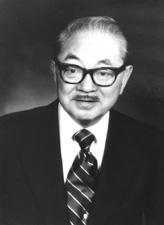
Historical · U.S. Senate · California
Samuel Hayakawa
Former U.S. Senator from California · 1977–1983 · Republican · Class 1
Samuel Hayakawa represented California in the United States Senate (1977–1983) for the Republican party. The page below collects sourced biographical facts, term history, committee roles, and provenance for Hayakawa.
Bioguide ID: H000384
Key facts
- Full name
- Samuel Hayakawa
- State
- California
- Party
- Republican
- Senate class
- Class I
- Senate service
- 1977–1983
- First Senate term
- 1977
- Status
- Left office
- Current term ends
- —
- Born
- 1906
- Bioguide ID
- H000384
- Committee assignments
- —
- Dataset version
- 1.20260602
Biographical narrative
931 words · sourced from the Wikipedia REST extract
Samuel Ichiye Hayakawa was a prominent American politician who served as a United States Senator from California. A member of the Republican Party, he held office from 1977 until the conclusion of his term in January 1983. Hayakawa was known for his unique background and perspectives, which contributed to his approach to governance and public policy during his time in the Senate.
Early life and career
Samuel Ichiye Hayakawa was born on July 18, 1906. His early life was marked by significant historical events and cultural shifts that shaped his worldview. Hayakawa was the son of Japanese immigrants, which influenced his experiences and perspectives throughout his life. He grew up in a time when anti-Asian sentiment was prevalent in the United States, particularly during the early 20th century. This background would later inform his views on immigration and civil rights.
Hayakawa pursued higher education, earning a bachelor's degree from the University of California, Berkeley. He continued his studies at the same institution, where he received a master's degree in English. His academic pursuits did not stop there; he went on to earn a Ph.D. in semantics from the University of Chicago. This strong educational foundation laid the groundwork for his future career as an educator and later as a politician.
Before entering politics, Hayakawa had a distinguished career in academia. He became a professor and later the president of San Francisco State University. During his tenure in academia, he was known for his innovative approaches to education and his commitment to improving the educational system. His leadership at the university coincided with a period of significant social change, including student protests and movements advocating for civil rights and educational reform.
Hayakawa's transition from academia to politics was marked by his election to the U.S. Senate. His unique background and experiences as an educator and administrator provided him with a distinct perspective on the issues facing the nation. He was elected to the Senate during a time of political upheaval and change, which would shape his legislative priorities and approach to governance.
Senate tenure
Samuel Ichiye Hayakawa began his Senate career in 1977, representing the state of California. His election to the Senate was notable, as he was one of the few Asian Americans to hold such a position at the time. Hayakawa's tenure in the Senate was characterized by his commitment to various issues, including education, immigration, and civil rights.
During his time in the Senate, Hayakawa was known for his outspoken views on a range of topics. He often emphasized the importance of education and was an advocate for policies that aimed to improve the educational system in the United States. His background as an educator informed his legislative priorities, and he sought to address the challenges facing students and educators alike.
Hayakawa's Senate career also coincided with significant national debates surrounding immigration policy. He was known for his nuanced views on immigration, shaped by his own experiences as the son of Japanese immigrants. His perspective contributed to discussions on immigration reform and the complexities of American identity.
Throughout his Senate tenure, Hayakawa was involved in various legislative initiatives and debates. He served on several committees, where he was able to influence policy decisions and advocate for his constituents. His ability to navigate the political landscape of the Senate allowed him to address a wide range of issues that were important to the people of California.
Hayakawa's time in the Senate came to an end on January 3, 1983, when he completed his last term. His departure from the Senate marked the conclusion of a significant chapter in his political career, during which he had made notable contributions to the legislative process and public discourse.
Legislative focus and committees
During his time in the Senate, Samuel Ichiye Hayakawa focused on a variety of legislative issues that reflected his background and the interests of his constituents. His commitment to education was a central theme in his legislative agenda. He advocated for policies aimed at improving educational opportunities and resources for students across the nation. Hayakawa's emphasis on education was rooted in his belief that a strong educational system was essential for the country's future.
In addition to education, Hayakawa was actively engaged in discussions surrounding immigration policy. His personal experiences as the child of immigrants informed his views on the complexities of immigration and the importance of fostering an inclusive society. He sought to address the challenges faced by immigrant communities and advocated for policies that recognized their contributions to American society.
Hayakawa's involvement in various Senate committees allowed him to play a significant role in shaping legislation. His participation in these committees provided him with the opportunity to influence policy decisions and advocate for the needs of his constituents. He worked collaboratively with colleagues from both parties to address pressing issues and develop bipartisan solutions.
Throughout his Senate career, Hayakawa's legislative focus was characterized by a commitment to public service and a desire to improve the lives of the people he represented. His unique background and experiences contributed to his perspective on a range of issues, allowing him to approach governance with a distinct understanding of the complexities of American society.
In summary, Samuel Ichiye Hayakawa's tenure as a U.S. Senator from California was marked by his dedication to education, immigration, and civil rights. His background as an educator and his experiences as the son of immigrants shaped his legislative priorities and approach to governance. Hayakawa's contributions to the Senate and his advocacy for important issues left a lasting impact on the political landscape of his time.
Notable legislation
Sponsored and co-sponsored legislation for Samuel Hayakawa is pending operator curation. The biographical narrative above carries the same provenance trail until per-bill rows are written.
Sources
- [1]https://en.wikipedia.org/wiki/S._I._HayakawaWikipedia · retrieved 2026-06-02
Notable quotes
Sourced quotes for Samuel Hayakawa are pending operator curation. Narrative-scope provenance remains attached below.
Sources
- [1]https://en.wikipedia.org/wiki/S._I._HayakawaWikipedia · retrieved 2026-06-02
Key positions
Curated policy positions for Samuel Hayakawa are pending operator review. The biographical narrative above carries the same provenance trail until per-topic positions are written.
Sources
- [1]https://en.wikipedia.org/wiki/S._I._HayakawaWikipedia · retrieved 2026-06-02
Terms served
- 1977–1983U.S. Senate · Term 1 · Republican · Class I
Sources & provenance
Every attributable claim above carries a per-section [N] marker that resolves to the corresponding URL below. Each entry records the upstream provider, the canonical URL, and the timestamp at which the source was retrieved by the ingest pipeline.
Key facts
- https://bioguide.congress.gov/search/bio/H000384bioguide · retrieved 2026-06-02
- https://www.govtrack.us/congress/members/405252govtrack · retrieved 2026-06-02
Biographical narrative
- https://en.wikipedia.org/wiki/S._I._Hayakawawikipedia · retrieved 2026-06-02
Find your senator
Every U.S. state elects two senators. Browse California’s delegation, the full former-senator roster, or explore the role and term length.
Related on The Candidate
- Preceded by John TunneyEarlier holder of the California Class I Senate seat · Democratic.Open
- Succeeded by Pete WilsonLater holder of the California Class I Senate seat · Republican.Open
- Aaron SargentFormer U.S. Senator from California · RepublicanOpen
- Abram WilliamsFormer U.S. Senator from California · RepublicanOpen
- Alan CranstonFormer U.S. Senator from California · DemocraticOpen
- Barbara BoxerFormer U.S. Senator from California · DemocraticOpen