
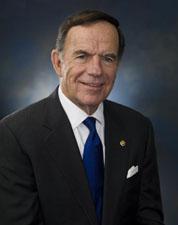
Historical · U.S. Senate · Massachusetts
Paul Kirk Jr.
Former U.S. Senator from Massachusetts · 2009–2010 · Democratic · Class 1
Paul Kirk Jr. represented Massachusetts in the United States Senate (2009–2010) for the Democratic party. The page below collects sourced biographical facts, term history, committee roles, and provenance for Jr..
Bioguide ID: K000374
Key facts
- Full name
- Paul Kirk Jr.
- State
- Massachusetts
- Party
- Democratic
- Senate class
- Class I
- Senate service
- 2009–2010
- First Senate term
- 2009
- Status
- Left office
- Current term ends
- —
- Born
- 1938
- Bioguide ID
- K000374
- Committee assignments
- —
- Dataset version
- 1.20260602
Biographical narrative
1,025 words · sourced from the Wikipedia REST extract
Paul Grattan Kirk Jr. is a former United States Senator from Massachusetts, representing the Democratic Party. He served in the Senate for a brief period, beginning his term in 2009 and concluding it in early 2010. Kirk's tenure in the Senate was marked by his involvement in various legislative matters and his role in the political landscape of Massachusetts during a time of significant national change.
Early life and career
Paul Grattan Kirk Jr. was born on January 18, 1938. His early life and formative years contributed to his later career in public service and politics. Kirk's educational background is notable; he attended prestigious institutions that laid the groundwork for his future endeavors. He graduated from Harvard College, where he earned a degree that would serve him well in his professional life. Following his undergraduate studies, he continued his education at Boston College Law School, obtaining a law degree. This legal training provided him with a strong foundation in understanding the intricacies of law and governance, which would be invaluable during his time in the Senate.
Before entering politics, Kirk had a diverse career that included significant roles in both the public and private sectors. He worked as a lawyer, which allowed him to gain practical experience in legal matters and public policy. His legal career was complemented by his involvement in various civic and community organizations, reflecting a commitment to public service that would characterize his later political career. Kirk's professional background equipped him with the skills necessary to navigate the complexities of legislative processes and to advocate effectively for his constituents.
Kirk's entry into politics was influenced by the political climate of the time and his desire to contribute to the public good. He became involved in Democratic Party activities and quickly established himself as a prominent figure within the party in Massachusetts. His political acumen and dedication to public service led to his eventual nomination for the U.S. Senate, a position that would enable him to influence national policy and represent the interests of Massachusetts residents.
Senate tenure
Paul Kirk's tenure in the United States Senate began in 2009, following a special election to fill the vacancy left by the late Senator Edward M. Kennedy. Kirk was appointed to the Senate and served as a member of the Democratic Party. His time in office was relatively short, concluding on February 4, 2010. Despite the brevity of his Senate career, Kirk's appointment was significant, as it occurred during a period of intense political activity and transformation within the Democratic Party and the broader national landscape.
During his time in the Senate, Kirk participated in various legislative discussions and contributed to the ongoing debates surrounding key issues of the day. His role in the Senate was characterized by a focus on collaboration and bipartisanship, as he sought to work with colleagues across the aisle to address pressing national concerns. Kirk's appointment came at a time when the Democratic Party held a majority in the Senate, allowing him to engage in discussions about significant legislative initiatives, including health care reform and economic recovery efforts in the wake of the financial crisis.
Kirk's service in the Senate was marked by his commitment to representing the interests of Massachusetts residents. He worked to address issues that were important to his constituents, including education, health care, and economic development. His efforts in the Senate reflected a dedication to public service and a desire to make a positive impact on the lives of those he represented.
Despite the challenges of a short tenure, Kirk's time in the Senate was notable for his engagement with both constituents and fellow lawmakers. He participated in various Senate committees and contributed to discussions on a range of topics, demonstrating his willingness to engage with complex policy issues. His appointment and subsequent service in the Senate were indicative of a broader trend in American politics, where special elections and appointments have become increasingly common in response to changing political circumstances.
Legislative focus and committees
During his time in the Senate, Paul Kirk was involved in several legislative initiatives and discussions that reflected his priorities and the needs of his constituents. His legislative focus included a range of issues, particularly those related to health care, education, and economic recovery. Kirk's background as a lawyer and his understanding of public policy informed his approach to these critical areas.
One of the prominent issues during Kirk's Senate tenure was health care reform. The national conversation surrounding health care was a focal point for many lawmakers, and Kirk was no exception. He engaged in discussions about the Affordable Care Act and other health-related initiatives, advocating for policies that aimed to improve access to health care services for all Americans. His involvement in this area underscored his commitment to addressing the needs of individuals and families in Massachusetts and beyond.
In addition to health care, Kirk also focused on education policy. He recognized the importance of education in fostering economic opportunity and social mobility. During his time in the Senate, he supported initiatives aimed at improving educational access and quality, particularly for underserved communities. His legislative efforts in this area reflected a broader understanding of the role that education plays in shaping the future of individuals and society as a whole.
Kirk's committee assignments further illustrated his legislative priorities. He served on various Senate committees, where he contributed to discussions and decisions on a range of issues. His participation in these committees allowed him to engage with fellow lawmakers and experts, fostering collaboration and dialogue on important policy matters. Through his committee work, Kirk aimed to influence legislation that would benefit his constituents and address pressing national challenges.
Overall, Paul Kirk's Senate tenure, though brief, was marked by a commitment to public service and a focus on key issues affecting his constituents. His background in law and his dedication to civic engagement informed his approach to governance, allowing him to navigate the complexities of the legislative process effectively. Kirk's contributions to the Senate during his time in office reflected a broader commitment to addressing the needs of the American people and fostering a collaborative political environment.
Notable legislation
Sponsored and co-sponsored legislation for Paul Kirk Jr. is pending operator curation. The biographical narrative above carries the same provenance trail until per-bill rows are written.
Sources
- [1]https://en.wikipedia.org/wiki/Paul_G._KirkWikipedia · retrieved 2026-06-02
Notable quotes
Sourced quotes for Paul Kirk Jr. are pending operator curation. Narrative-scope provenance remains attached below.
Sources
- [1]https://en.wikipedia.org/wiki/Paul_G._KirkWikipedia · retrieved 2026-06-02
Key positions
Curated policy positions for Paul Kirk Jr. are pending operator review. The biographical narrative above carries the same provenance trail until per-topic positions are written.
Sources
- [1]https://en.wikipedia.org/wiki/Paul_G._KirkWikipedia · retrieved 2026-06-02
Terms served
- 2009–2010U.S. Senate · Term 1 · Democratic · Class I
Sources & provenance
Every attributable claim above carries a per-section [N] marker that resolves to the corresponding URL below. Each entry records the upstream provider, the canonical URL, and the timestamp at which the source was retrieved by the ingest pipeline.
Key facts
- https://bioguide.congress.gov/search/bio/K000374bioguide · retrieved 2026-06-02
- http://kirk.senate.gov/ senate.gov · retrieved 2026-06-02
Biographical narrative
- https://en.wikipedia.org/wiki/Paul_G._Kirkwikipedia · retrieved 2026-06-02
Find your senator
Every U.S. state elects two senators. Browse Massachusetts’s delegation, the full former-senator roster, or explore the role and term length.
Related on The Candidate
- Preceded by Ted KennedyEarlier holder of the Massachusetts Class I Senate seat · Democratic.Open
- Succeeded by Scott BrownLater holder of the Massachusetts Class I Senate seat · Republican.Open
- Benjamin GoodhueFormer U.S. Senator from Massachusetts · FederalistOpen
- Benjamin Smith IIFormer U.S. Senator from Massachusetts · DemocraticOpen
- Caleb StrongFormer U.S. Senator from Massachusetts · FederalistOpen
- Charles SumnerFormer U.S. Senator from Massachusetts · Liberal RepublicanOpen