
Historical · U.S. Senate · Tennessee
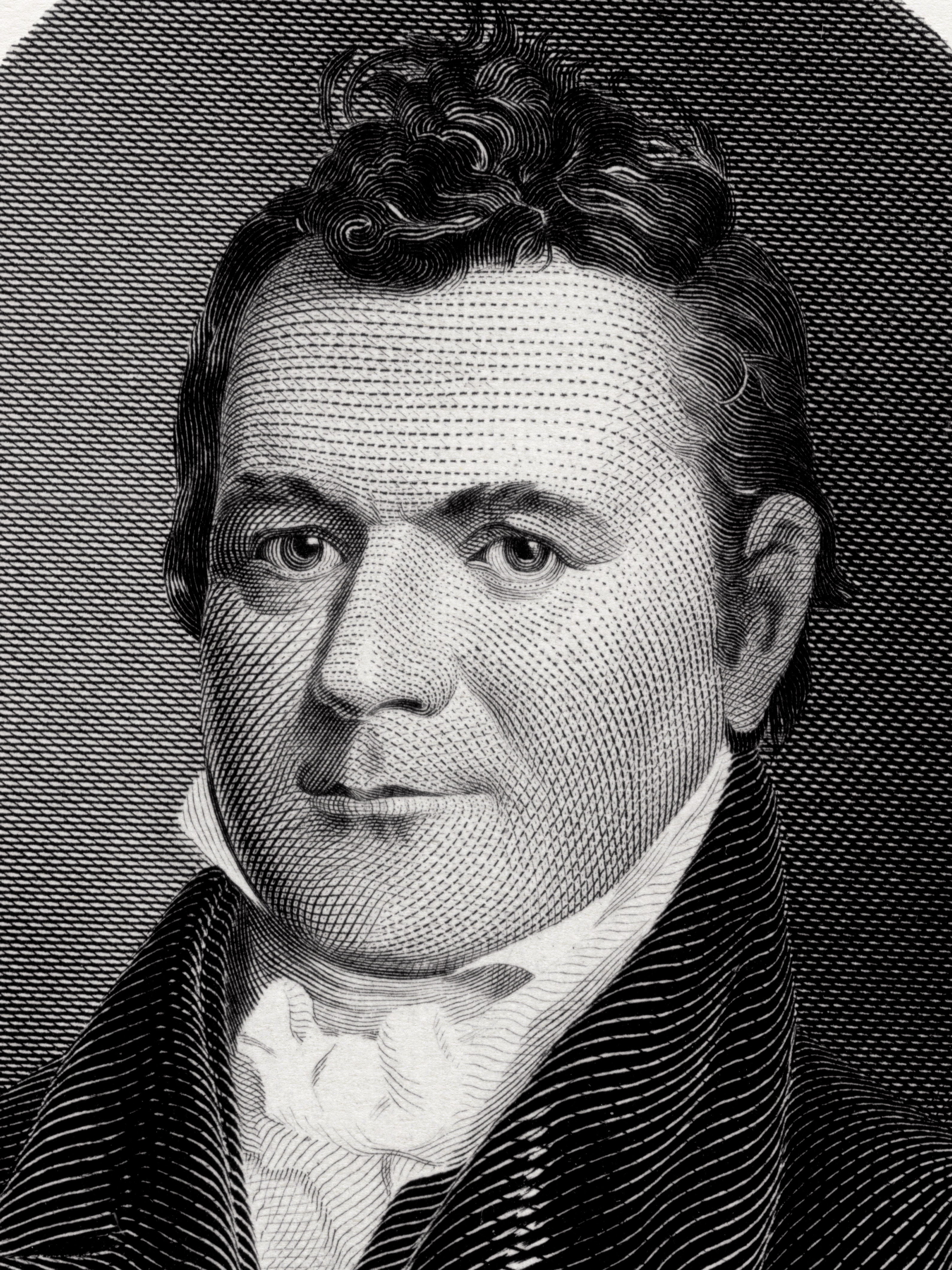
George Campbell
Former U.S. Senator from Tennessee · 1811–1819 · Republican · Class 1
George Campbell represented Tennessee in the United States Senate (1811–1819) for the Republican party. The page below collects sourced biographical facts, term history, committee roles, and provenance for Campbell.
Bioguide ID: C000083
Key facts
- Full name
- George Campbell
- State
- Tennessee
- Party
- Republican
- Senate class
- Class I
- Senate service
- 1811–1819
- First Senate term
- 1811
- Status
- Left office
- Current term ends
- —
- Born
- 1769
- Bioguide ID
- C000083
- Committee assignments
- —
- Dataset version
- 1.20260602
Biographical narrative
911 words · sourced from the Wikipedia REST extract
George Campbell was an American statesman who served as a U.S. Senator from Tennessee, a U.S. Representative, a Tennessee Supreme Court justice, and held various other significant positions in the early American government, including Secretary of the Treasury and U.S. Ambassador to Russia. Born in Scotland in 1769, Campbell immigrated to North Carolina with his family at a young age and eventually made his way to Tennessee, where he became a prominent political figure. His political career spanned several decades, during which he played a role in key legislative processes and governmental functions in the early years of the United States.
Early life and career
George Campbell was born on February 9, 1769, in Tongue, Sutherland, located on the northern coast of Scotland. In 1772, at the age of three, he immigrated with his parents to North Carolina, where they settled in Mecklenburg County. His father, Dr. Archibald Campbell, and his mother, Elizabeth Mackay Matheson Campbell, provided a nurturing environment that emphasized education. George was the youngest of their children and showed early academic promise.
In his early twenties, Campbell began teaching school, which laid the groundwork for his later educational pursuits. In 1792, he enrolled in the junior class at the College of New Jersey, now known as Princeton University. He graduated in 1794 and subsequently pursued a career in law. After completing his legal studies, he was admitted to the bar in North Carolina and began practicing law in Knoxville, Tennessee, in 1798. During this time, Campbell owned slaves, reflecting the social and economic practices of the era.
Campbell's political career began in earnest when he was elected to the United States House of Representatives in 1803, representing Tennessee's at-large congressional district. He served in the House from 1805 to 1809, during which he participated in the 8th, 9th, and 10th Congresses. His leadership abilities were recognized when he was appointed chairman of the Ways and Means Committee during the 10th Congress. Additionally, he was involved in significant impeachment trials, serving as one of the House managers in the impeachment trial of Judge John Pickering and later in the trial of Supreme Court Justice Samuel Chase.
After leaving Congress in 1809, Campbell transitioned to the judiciary, becoming a judge on the Tennessee Supreme Court, where he served until 1811. His judicial career coincided with a period of growth and development in Tennessee, as the state was still in its formative years.
Senate tenure
George Campbell's first term as a U.S. Senator began on October 8, 1811, after he was elected to fill the seat vacated by Jenkin Whiteside. His tenure in the Senate was marked by significant national events, particularly the War of 1812. Campbell's initial service lasted until February 11, 1814, when he resigned to accept the position of Secretary of the Treasury.
Following a brief hiatus from the Senate, Campbell returned on October 10, 1815, and served until April 20, 1818. During his second term, he was appointed as the first chairman of the Senate Finance Committee, a position that underscored his influence in shaping fiscal policy during a tumultuous economic period. His leadership in this role was crucial as the nation sought to stabilize its finances in the aftermath of the war.
Campbell's time in the Senate was characterized by his involvement in discussions surrounding financial legislation and national economic recovery. His resignation in 1818 was prompted by an appointment as U.S. Ambassador to Russia, a role he held until 1821. His diplomatic service came at a time when the United States was seeking to strengthen its international relations, particularly with European powers.
Legislative focus and committees
Throughout his political career, George Campbell demonstrated a keen interest in financial matters and economic policy. His role as chairman of the Senate Finance Committee was particularly significant, as he was responsible for overseeing fiscal legislation during a period marked by financial instability due to the War of 1812. The challenges he faced included managing the national debt and navigating the complexities of government funding, especially in light of the expiration of the charter for the First Bank of the United States.
As Secretary of the Treasury, Campbell confronted the daunting task of restoring confidence in the nation's financial system. Appointed by President James Madison, he took office during a time of national financial disorder. His efforts to raise funds through government bonds were met with difficulties, as the government’s credit was severely impacted by the war. Campbell's tenure as Secretary was short-lived, lasting only eight months, as he resigned in October 1814 due to health issues and the overwhelming challenges he faced in managing the nation's finances.
In addition to his financial responsibilities, Campbell's legislative focus extended to broader issues affecting the nation during his time in office. His participation in impeachment trials as a House manager reflected his engagement with the judicial processes of the federal government. Furthermore, his later role in the French Spoliation Claims Commission in 1831 indicated his continued involvement in addressing historical grievances and claims against foreign powers.
Campbell's contributions to the early American government were multifaceted, encompassing legislative, judicial, and diplomatic roles. His career spanned a critical period in U.S. history, and he played a part in shaping the financial and political landscape of the nation. After his death on February 17, 1848, Campbell was laid to rest in Nashville City Cemetery, leaving behind a legacy as a dedicated public servant during the formative years of the United States.
Notable legislation
Sponsored and co-sponsored legislation for George Campbell is pending operator curation. The biographical narrative above carries the same provenance trail until per-bill rows are written.
Sources
- [1]https://en.wikipedia.org/wiki/George_W._CampbellWikipedia · retrieved 2026-06-02
Notable quotes
Sourced quotes for George Campbell are pending operator curation. Narrative-scope provenance remains attached below.
Sources
- [1]https://en.wikipedia.org/wiki/George_W._CampbellWikipedia · retrieved 2026-06-02
Key positions
Curated policy positions for George Campbell are pending operator review. The biographical narrative above carries the same provenance trail until per-topic positions are written.
Sources
- [1]https://en.wikipedia.org/wiki/George_W._CampbellWikipedia · retrieved 2026-06-02
Terms served
- 1803–1805U.S. House · District -1 · Term 1 · Republican
- 1805–1807U.S. House · District 2 · Term 2 · Republican
- 1807–1809U.S. House · District 2 · Term 3 · Republican
- 1811–1815U.S. Senate · Term 4 · Republican · Class II
- 1815–1819U.S. Senate · Term 5 · Republican · Class I
Sources & provenance
Every attributable claim above carries a per-section [N] marker that resolves to the corresponding URL below. Each entry records the upstream provider, the canonical URL, and the timestamp at which the source was retrieved by the ingest pipeline.
Key facts
- https://bioguide.congress.gov/search/bio/C000083bioguide · retrieved 2026-06-02
- https://www.govtrack.us/congress/members/402239govtrack · retrieved 2026-06-02
Biographical narrative
- https://en.wikipedia.org/wiki/George_W._Campbellwikipedia · retrieved 2026-06-02
Find your senator
Every U.S. state elects two senators. Browse Tennessee’s delegation, the full former-senator roster, or explore the role and term length.
Related on The Candidate
- Succeeded by Felix GrundyLater holder of the Tennessee Class I Senate seat · Democratic.Open
- Albert GoreFormer U.S. Senator from Tennessee · DemocraticOpen
- Albert Gore Jr.Former U.S. Senator from Tennessee · DemocraticOpen
- Alexander AndersonFormer U.S. Senator from Tennessee · DemocraticOpen
- Alfred NicholsonFormer U.S. Senator from Tennessee · DemocraticOpen
- Republican PartyFederal candidates and office holders on the Republican line.Open