
Historical · U.S. Senate · Virginia
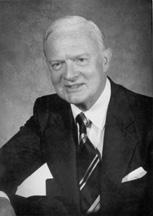
Harry Byrd Jr.
Former U.S. Senator from Virginia · 1965–1983 · Independent · Class 1
Harry Byrd Jr. represented Virginia in the United States Senate (1965–1983) for the Independent party. The page below collects sourced biographical facts, term history, committee roles, and provenance for Jr..
Bioguide ID: B001209
Key facts
- Full name
- Harry Byrd Jr.
- State
- Virginia
- Party
- Independent
- Senate class
- Class I
- Senate service
- 1965–1983
- First Senate term
- 1965
- Status
- Left office
- Current term ends
- —
- Born
- 1914
- Bioguide ID
- B001209
- Committee assignments
- —
- Dataset version
- 1.20260602
Biographical narrative
882 words · sourced from the Wikipedia REST extract
Harry F. Byrd Jr. was a prominent American politician who served as a U.S. Senator from Virginia. He was an Independent politician who caucused with the Democratic Party during his time in office. Byrd's Senate career spanned nearly two decades, beginning in the mid-1960s and concluding in the early 1980s. His tenure was marked by a focus on fiscal conservatism and a commitment to traditional values, which shaped his legislative priorities and political alliances.
Early life and career
Harry F. Byrd Jr. was born on December 20, 1914. He grew up in Virginia, where he was influenced by the political landscape of the region. Byrd's family had a significant history in Virginia politics, which likely shaped his interest in public service from a young age. He pursued higher education, attending the University of Virginia, where he began to develop his political ideology and understanding of governance.
Before entering the Senate, Byrd had a notable career in Virginia politics. He served in various capacities, including as a member of the Virginia State Senate. His early political career was characterized by a focus on local issues and a commitment to the principles of fiscal responsibility and limited government. Byrd's experiences in state politics provided him with a solid foundation for his later work at the federal level.
Byrd's entry into the U.S. Senate came after a competitive election process. He was elected to represent Virginia, succeeding his father, who had previously held the same position. This familial connection to the Senate added a layer of historical significance to his candidacy. Byrd's political alignment as an Independent, while caucusing with the Democrats, allowed him to navigate the political landscape of the time effectively, appealing to a broad range of constituents.
Senate tenure
Harry F. Byrd Jr. began his first term in the U.S. Senate in 1965. Throughout his time in office, he served a total of three terms, with his final term concluding on January 3, 1983. Byrd's Senate career was marked by a commitment to his constituents in Virginia and a focus on issues that resonated with the values of the state. His independent stance often allowed him to work across party lines, although he primarily aligned with the Democratic caucus during his tenure.
During his time in the Senate, Byrd was known for his conservative approach to fiscal policy. He advocated for balanced budgets and was a proponent of reducing government spending. Byrd's views on fiscal responsibility were reflective of a broader trend among certain politicians during the era, as many sought to address concerns about government waste and inefficiency. His commitment to these principles earned him a reputation as a steadfast advocate for conservative fiscal policies.
Byrd's tenure also coincided with significant political and social changes in the United States, including the civil rights movement and debates over social welfare programs. While he maintained a conservative stance on many issues, Byrd's ability to navigate the complexities of the Senate allowed him to engage in discussions on a variety of topics. His legislative record reflects a blend of traditional values and a pragmatic approach to governance.
Throughout his Senate career, Byrd was involved in various legislative initiatives and discussions. He participated in debates on key national issues, contributing to the development of policies that impacted not only Virginia but the entire nation. His ability to work with colleagues from both parties facilitated the passage of several important measures during his time in office.
Legislative focus and committees
Harry F. Byrd Jr.'s legislative focus was characterized by a commitment to fiscal conservatism and traditional values. He prioritized issues related to government spending, taxation, and economic development. Byrd's approach to governance was shaped by his belief in limited government intervention and the importance of maintaining a balanced budget. These principles guided his actions and decisions throughout his Senate career.
In addition to his focus on fiscal issues, Byrd served on various Senate committees that allowed him to influence legislation across a range of topics. His committee assignments provided him with opportunities to engage in discussions on critical national issues, including infrastructure, education, and healthcare. Byrd's participation in these committees enabled him to advocate for policies that aligned with his values and the interests of his constituents.
Byrd's involvement in legislative matters extended beyond his committee work. He was known for his ability to engage in bipartisan discussions, which allowed him to build relationships with colleagues across the aisle. This collaborative approach contributed to his effectiveness as a legislator and enabled him to navigate the complexities of the Senate effectively.
Throughout his time in office, Byrd remained committed to representing the interests of Virginia residents. He sought to address the concerns of his constituents through his legislative efforts and maintained an active presence in the state. Byrd's focus on local issues, combined with his national perspective, shaped his approach to governance and contributed to his legacy as a U.S. Senator.
Byrd's Senate career came to an end in 1983, concluding a significant chapter in Virginia's political history. His tenure was marked by a dedication to fiscal responsibility and a commitment to serving the people of Virginia. Byrd's legacy continues to be felt in the state's political landscape, as he remains a notable figure in the history of Virginia's representation in the U.S. Senate.
Notable legislation
Sponsored and co-sponsored legislation for Harry Byrd Jr. is pending operator curation. The biographical narrative above carries the same provenance trail until per-bill rows are written.
Sources
- [1]https://en.wikipedia.org/wiki/Harry_F._Byrd_Jr.Wikipedia · retrieved 2026-06-02
Notable quotes
Sourced quotes for Harry Byrd Jr. are pending operator curation. Narrative-scope provenance remains attached below.
Sources
- [1]https://en.wikipedia.org/wiki/Harry_F._Byrd_Jr.Wikipedia · retrieved 2026-06-02
Key positions
Curated policy positions for Harry Byrd Jr. are pending operator review. The biographical narrative above carries the same provenance trail until per-topic positions are written.
Sources
- [1]https://en.wikipedia.org/wiki/Harry_F._Byrd_Jr.Wikipedia · retrieved 2026-06-02
Terms served
- 1965–1971U.S. Senate · Term 1 · Democratic · Class I
- 1971–1977U.S. Senate · Term 2 · Independent · Class I
- 1977–1983U.S. Senate · Term 3 · Independent · Class I
Sources & provenance
Every attributable claim above carries a per-section [N] marker that resolves to the corresponding URL below. Each entry records the upstream provider, the canonical URL, and the timestamp at which the source was retrieved by the ingest pipeline.
Key facts
- https://bioguide.congress.gov/search/bio/B001209bioguide · retrieved 2026-06-02
- https://www.govtrack.us/congress/members/402149govtrack · retrieved 2026-06-02
Biographical narrative
- https://en.wikipedia.org/wiki/Harry_F._Byrd_Jr.wikipedia · retrieved 2026-06-02
Find your senator
Every U.S. state elects two senators. Browse Virginia’s delegation, the full former-senator roster, or explore the role and term length.
Related on The Candidate
- Preceded by Harry ByrdEarlier holder of the Virginia Class I Senate seat · Democratic.Open
- Succeeded by Paul Trible Jr.Later holder of the Virginia Class I Senate seat · Republican.Open
- Abraham VenableFormer U.S. Senator from Virginia · RepublicanOpen
- Absalom RobertsonFormer U.S. Senator from Virginia · DemocraticOpen
- Andrew MooreFormer U.S. Senator from Virginia · RepublicanOpen
- Armistead MasonFormer U.S. Senator from Virginia · RepublicanOpen