
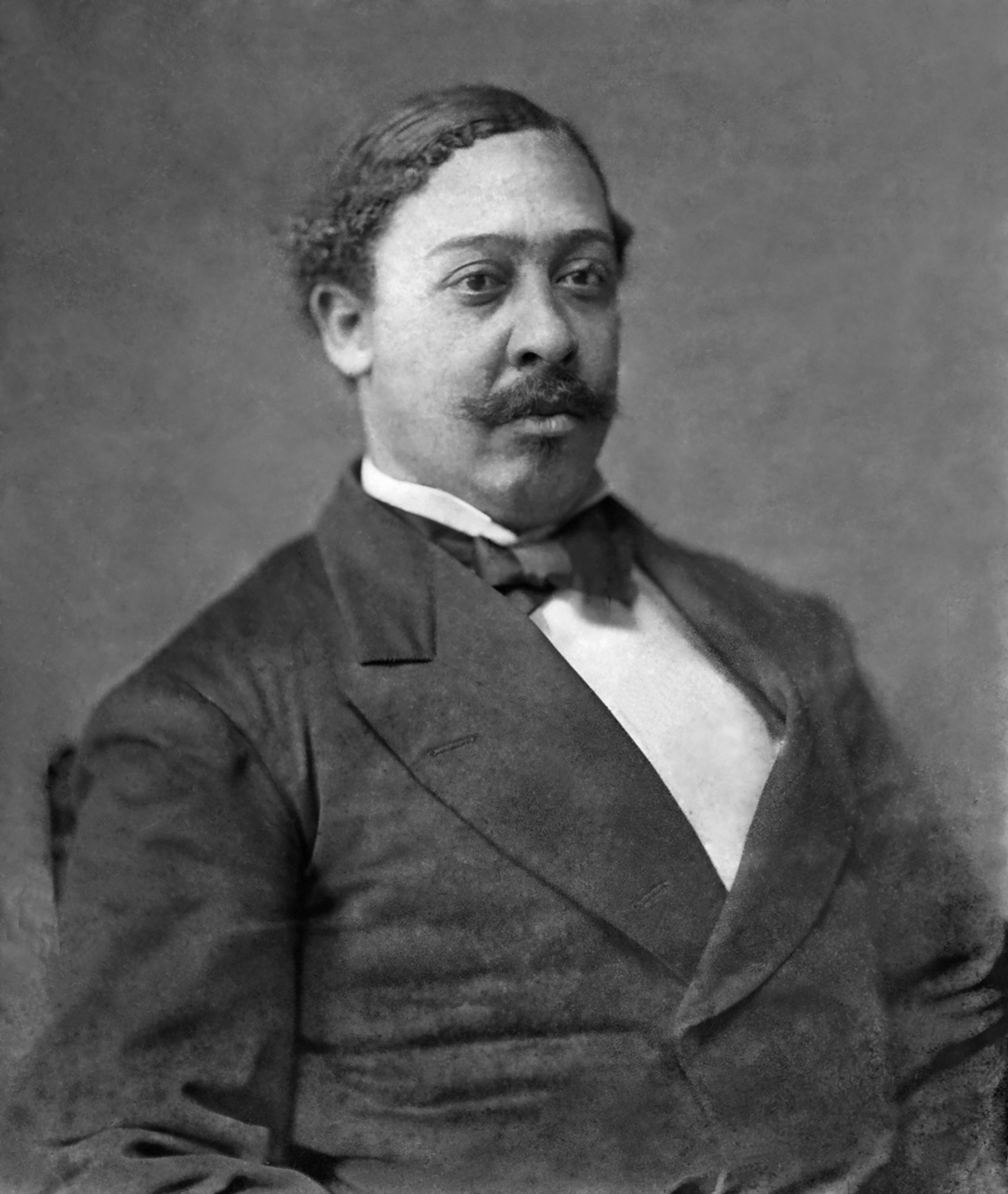
Historical · U.S. House · Louisiana · District 6
Charles Nash
Former U.S. Representative · Louisiana District 6 · 1875–1877 · Republican
Charles Nash represented Louisiana's District 6 in the United States House of Representatives (1875–1877) for the Republican party. The page below collects sourced biographical facts, term history, committee roles, and provenance for Nash.
Bioguide ID: N000008
Key facts
- Full name
- Charles Nash
- State
- Louisiana
- District
- District 6
- Party
- Republican
- House service
- 1875–1877
- First House term
- 1875
- Status
- Left office
- Current term ends
- —
- Born
- 1844
- Bioguide ID
- N000008
- Committee assignments
- —
- Dataset version
- 1.20260606
Biographical narrative
914 words · sourced from the Wikipedia REST extract
Charles Nash was an American politician who served as a U.S. Representative for Louisiana's 6th congressional district from 1875 to 1877. A member of the Republican Party, Nash holds historical significance as the first African American to serve in Congress from Louisiana. His tenure marked a notable moment in the post-Civil War era, a time when African Americans were beginning to gain political representation in the United States. Despite serving only one term, Nash's role as a congressman would not be surpassed by another African American representative from Louisiana for over a century.
Early life and career
Charles Nash was born on May 23, 1844, in Opelousas, Louisiana, which is located in St. Landry Parish. His early education took place in the common schools of the area, where he developed foundational skills that would later serve him in his professional life. Nash pursued a trade as a bricklayer, which provided him with a means of livelihood prior to his involvement in politics.
As the nation faced the turmoil of the American Civil War, Nash enlisted in 1863, joining the Eighty-second Regiment, United States Volunteers. This regiment was part of the U.S. Colored Troops, which were formed to allow African Americans to serve in the military during the war. Nash's service was marked by a rapid rise in rank; he began as a private and was eventually promoted to sergeant major. His military service was not without sacrifice; he suffered severe injuries during the Battle of Fort Blakeley in Alabama in April 1865, which resulted in the loss of part of his leg. This experience would shape his life and perspective as he transitioned from military service to civilian life.
Following the conclusion of the Civil War, Nash returned to Louisiana and embarked on a career in business. His post-war life included a notable appointment as the night inspector of U.S. customs, a position that underscored his growing influence in the community. This role allowed him to engage with the federal government and gain experience in public service, which would later inform his political career.
House tenure
Nash's political career began to take shape when he was elected as a Republican to the Forty-fourth Congress, serving from March 4, 1875, to March 3, 1877. His election was significant not only for his party affiliation but also for his status as the first African American congressman from Louisiana. This period was characterized by the Reconstruction era, during which African Americans were beginning to assert their rights and seek representation in government.
During his time in Congress, Nash participated in the legislative process, contributing to discussions and decisions that would impact his constituents and the broader nation. However, his tenure was relatively short-lived, as he faced challenges in the political landscape of Louisiana. In the 1876 elections, Nash was unsuccessful in his bid for reelection. The political climate had shifted, with "Redeemer" Democrats regaining control of Louisiana's political apparatus. This shift reflected the broader national trend of the time, as many southern states moved to reestablish white Democratic control following the end of Reconstruction.
After his congressional term, Nash briefly served as postmaster at Washington, a small community in St. Landry Parish, during the administration of President Chester A. Arthur. His time in this role lasted from February 15 to May 1, 1882, marking another chapter in his public service career. However, Nash's political involvement waned after this appointment, and he did not hold any further elected office.
Legislative focus and committees
While specific details regarding Nash's legislative focus and committee assignments during his time in Congress are not extensively documented, his election as a Republican representative during the Reconstruction era suggests that he would have been involved in issues pertinent to civil rights, economic development, and the integration of African Americans into the political system. The Republican Party at the time was largely associated with the promotion of civil rights for freed slaves and the reconstruction of the southern states following the Civil War.
Nash's unique position as the first African American congressman from Louisiana would have likely placed him at the intersection of various critical issues, including education, labor rights, and social justice. His experiences as a soldier and a businessman may have informed his perspectives on these matters, as he would have been acutely aware of the challenges faced by African Americans in the post-war South.
Despite the brevity of his congressional career, Nash's election represented a significant moment in the history of African American political representation in Louisiana. For over a century following his term, he remained the only African American to serve as a U.S. Representative from the state until William J. Jefferson was elected in 1991. This long gap underscores the challenges that African Americans faced in achieving political representation in the South during the Jim Crow era and beyond.
In summary, Charles Nash's life and career reflect the complexities of African American political engagement in the United States during a transformative period. His service in the U.S. House of Representatives, though limited to a single term, marked a significant milestone in the ongoing struggle for civil rights and representation. Nash's legacy is a reminder of the progress made and the challenges that remain in the pursuit of equality and justice in American politics. He passed away on June 21, 1913, in New Orleans, Louisiana, and was interred in Saint Louis Cemetery No. 3, leaving behind a historical footprint as a pioneer in the political landscape of Louisiana.
Notable legislation
Sponsored and co-sponsored legislation for Charles Nash is pending operator curation. The biographical narrative above carries the same provenance trail until per-bill rows are written.
Sources
- [1]https://en.wikipedia.org/wiki/Charles_E._NashWikipedia · retrieved 2026-06-06
Notable quotes
Sourced quotes for Charles Nash are pending operator curation. Narrative-scope provenance remains attached below.
Sources
- [1]https://en.wikipedia.org/wiki/Charles_E._NashWikipedia · retrieved 2026-06-06
Key positions
Curated policy positions for Charles Nash are pending operator review. The biographical narrative above carries the same provenance trail until per-topic positions are written.
Sources
- [1]https://en.wikipedia.org/wiki/Charles_E._NashWikipedia · retrieved 2026-06-06
Terms served
- 1875–1877U.S. House · Term 1 · Republican
Sources & provenance
Every attributable claim above carries a per-section [N] marker that resolves to the corresponding URL below. Each entry records the upstream provider, the canonical URL, and the timestamp at which the source was retrieved by the ingest pipeline.
Key facts
- https://bioguide.congress.gov/search/bio/N000008bioguide · retrieved 2026-06-06
- https://www.govtrack.us/congress/members/408102govtrack · retrieved 2026-06-06
Biographical narrative
- https://en.wikipedia.org/wiki/Charles_E._Nashwikipedia · retrieved 2026-06-06
Find your representative
Every U.S. state elects representatives by district. Browse Louisiana’s delegation, the full former-representative roster, or explore the role and term length.
Related on The Candidate
- Succeeded by Edward RobertsonLater holder of the Louisiana District 6 House seat · Democratic.Open
- Adolph MeyerFormer U.S. Representative · Louisiana District 1 · DemocraticOpen
- Albert EstopinalFormer U.S. Representative · Louisiana District 1 · DemocraticOpen
- Benjamin FlandersFormer U.S. Representative · Louisiana District 1 · UnionistOpen
- Bobby JindalFormer U.S. Representative · Louisiana District 1 · RepublicanOpen
- Republican PartyFederal candidates and office holders on the Republican line.Open